
Researchers used machine learning and 3D imaging to map the cause of Santorini's 2025 seismic unrest, revealing dynamic magma dike activity.
Key Details
- 1A 2025 earthquake swarm near Santorini was linked to pulses of magma, not tectonic fault slip.
- 2Researchers analyzed ~25,000 earthquakes using machine learning and a 3D imaging method called CoulSeS.
- 3This approach treated tremors as virtual sensors to map deep magmatic activity.
- 4Imaging showed a horizontally propagating, 30-km-long magma dike with complex pressure fluctuations.
- 5Findings highlight a 'pumping' behavior of magmatic dikes, offering unprecedented detail.
Why It Matters
The integration of advanced imaging and machine learning demonstrates how AI-driven analysis can yield high-resolution, actionable geological insights. Such hybrid approaches could inspire new tools and strategies in radiology and medical imaging, particularly for mapping complex structures and interpreting dynamic processes.

Source
EurekAlert
Related News
•EurekAlert
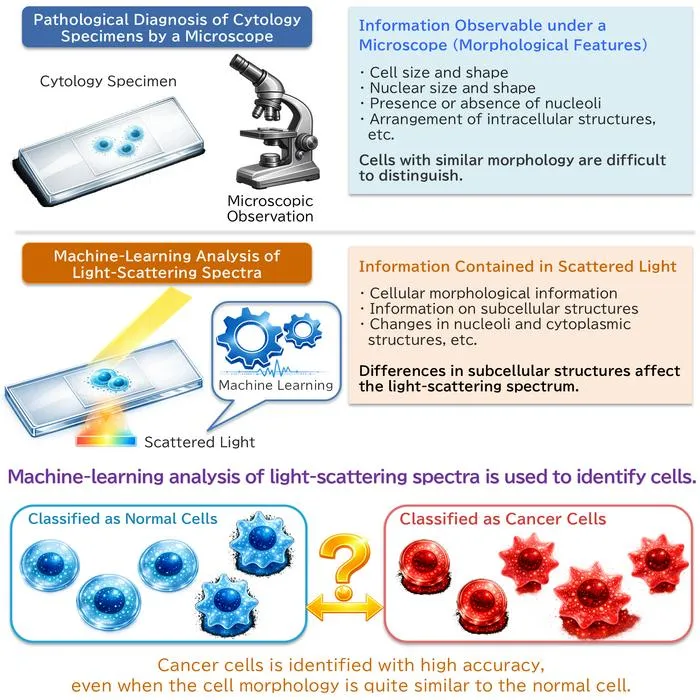
AI System Enhances Cancer Cell Detection via Light Scattering Spectra
Japanese researchers developed an AI system using light scattering spectra to improve cancer cell identification in cytology.
•EurekAlert
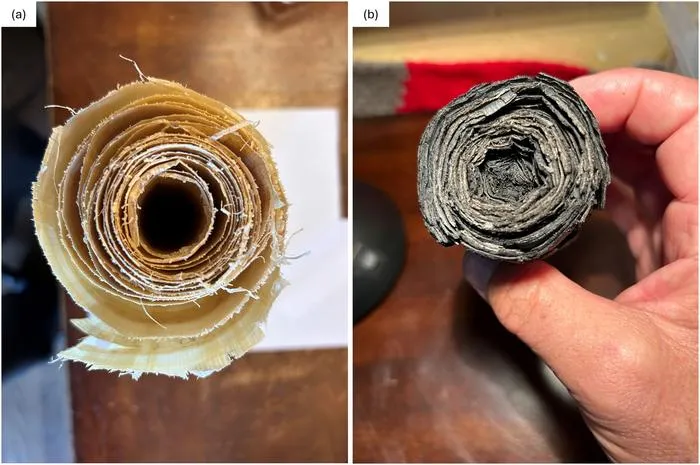
AI and X-ray Imaging Reveal Lost Texts in Ancient Roman Scrolls
AI and x-ray technology enable scientists to virtually read previously unreadable, carbonized Roman scrolls from Herculaneum.

•EurekAlert
AI’s Potential to Expand, Not Shrink, the Clinical Workforce
AI advancements may lead to more, not fewer, healthcare jobs, challenging common fears about workforce reductions in specialties like radiology.