
A study shows large language models can predict immunotherapy responses in liver cancer as accurately as experienced doctors.
Key Details
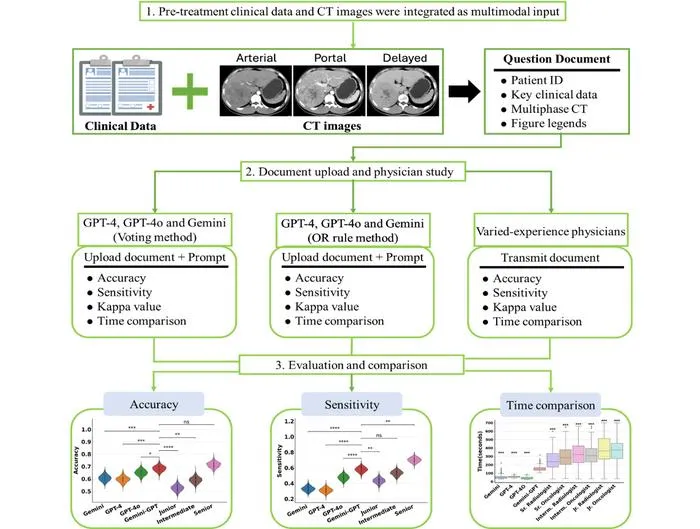
- 1Research led by Prof. Hai Li at Hefei Institutes systematically assessed LLMs' ability to predict liver cancer treatment response.
- 2LLMs tested: GPT-4, GPT-4o, Google Gemini, DeepSeek, and a hybrid Gemini-GPT model.
- 3Dataset included clinical and imaging data from 186 unresectable HCC patients.
- 4Gemini-GPT matched senior (15+ years) doctor accuracy and surpassed less-experienced clinicians in both speed and accuracy.
- 5Hybrid and logical strategies improved LLM performance and consistency, especially in identifying likely responders to therapy.
- 6Published in the Journal of Medical Systems on May 15, 2025.
Why It Matters
This work demonstrates the emerging capability of LLMs to support and enhance personalized cancer treatment decisions, showing they can complement or even match the expertise of experienced radiologists and oncologists in outcome prediction.

Source
EurekAlert
Related News
•EurekAlert
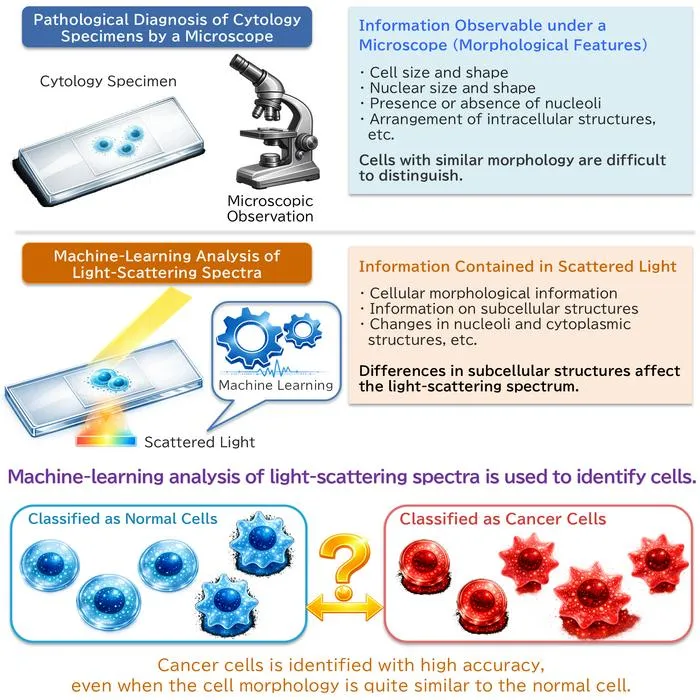
AI System Enhances Cancer Cell Detection via Light Scattering Spectra
Japanese researchers developed an AI system using light scattering spectra to improve cancer cell identification in cytology.
•EurekAlert
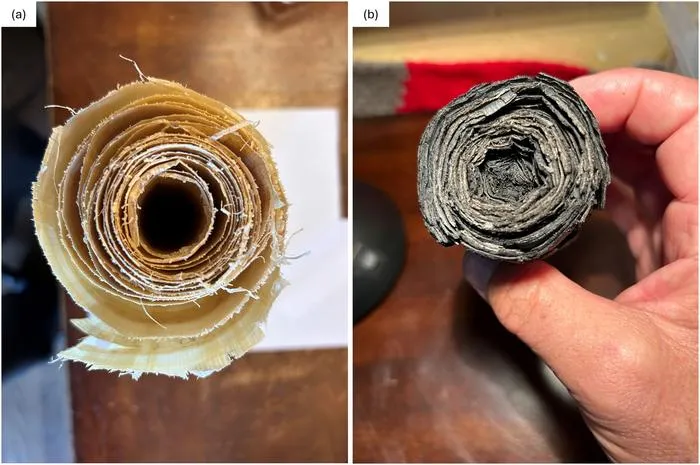
AI and X-ray Imaging Reveal Lost Texts in Ancient Roman Scrolls
AI and x-ray technology enable scientists to virtually read previously unreadable, carbonized Roman scrolls from Herculaneum.
•EurekAlert
AI’s Potential to Expand, Not Shrink, the Clinical Workforce
AI advancements may lead to more, not fewer, healthcare jobs, challenging common fears about workforce reductions in specialties like radiology.