
LLMs like ChatGPT-4o and AmbossGPT can accurately classify bone fractures in CT radiology reports, aiding radiologists.
Key Details
- 1Study assessed four LLMs (ChatGPT-4o, AmbossGPT, Claude 3.5 Sonnet, Gemini 2.0 Flash) on 292 artificial CT reports representing 310 fractures.
- 2ChatGPT-4o and AmbossGPT showed highest overall classification accuracy (74.6% and 74.3%).
- 3Bone recognition rates were high for all models (90%-99%), but fracture subtype classification was lower (71%-77%).
- 4Statistically significant accuracy differences were noted between LLMs by fracture type and anatomical location.
- 5Validation with real-world reports (145 fractures) using LLaMA 3.3-70B yielded similar results to artificial datasets (~70% performance).
- 6Authors note need for further validation on large, multi-center real-world datasets.
Why It Matters
Radiology practices rely heavily on textual reporting, and automating fracture classification could streamline radiological workflows, reduce variability, and improve efficiency. While current LLMs show promise, further validation is necessary before widespread adoption.

Source
AuntMinnie
Related News
•Radiology Business
Real-World Study: Radiology AI Best in Emergency and Inpatient Settings
A commercial AI tool for intracranial aneurysm detection outperformed in inpatient and emergency settings but yielded limited benefits for outpatients in a major health system study.
•Radiology Business
New Rubric Enhances Safety of AI-Generated Radiology Summaries
Researchers developed a five-factor rubric to assess the safety and quality of AI-generated, patient-friendly radiology report summaries.
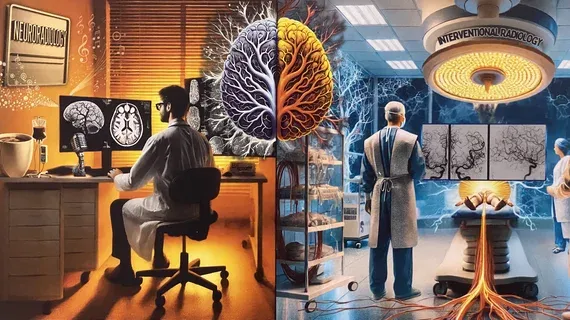
•Radiology Business
Healthcare Leader Warns AI Will Dominate Diagnostic Radiology
A leading oncologist urges future radiologists to specialize in interventional procedures due to AI advances in image interpretation.