
A new AI model, LLaVA-Endo, dramatically improves diagnostic accuracy during gastrointestinal endoscopies by merging visual and language analysis.
Key Details
- 1LLaVA-Endo is developed by an international team including universities in China and the UAE.
- 2The model combines image recognition and natural language processing for GI endoscopy.
- 3It outperformed major AI systems, such as GPT-4V, Gemini, and MiniGPT-v2, on diagnostic tasks.
- 4LLaVA-Endo was validated through expert review and benchmark tests using thousands of annotated GI images.
- 5The study appears in Frontiers of Computer Science, with publication scheduled for April 2025.
Why It Matters
This innovation can standardize and improve the diagnostic accuracy of GI endoscopy, a challenging imaging domain with significant clinical impact. Its demonstrated superiority over big-tech AI models signals a leap in real-world applicability of radiology-oriented AI.

Source
EurekAlert
Related News
•EurekAlert
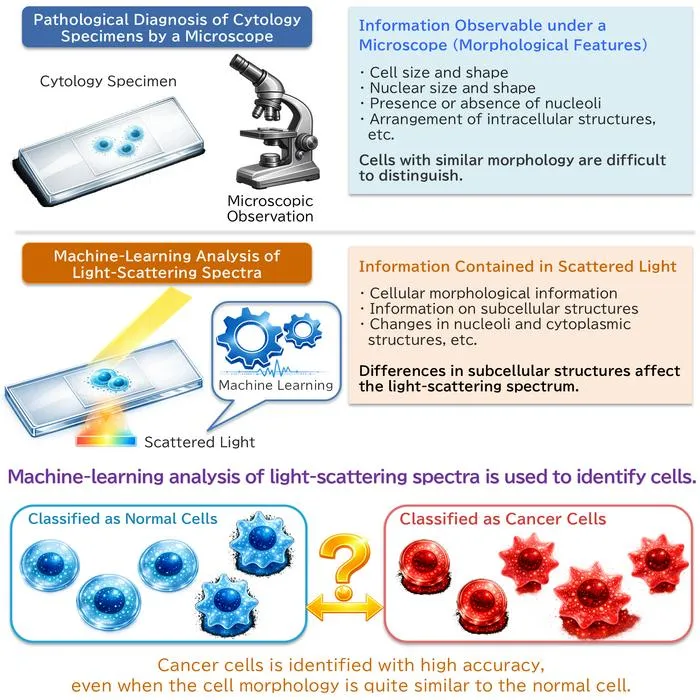
AI System Enhances Cancer Cell Detection via Light Scattering Spectra
Japanese researchers developed an AI system using light scattering spectra to improve cancer cell identification in cytology.
•EurekAlert
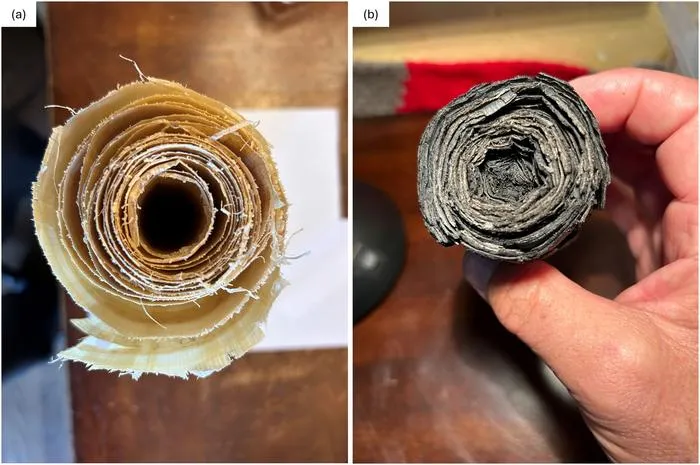
AI and X-ray Imaging Reveal Lost Texts in Ancient Roman Scrolls
AI and x-ray technology enable scientists to virtually read previously unreadable, carbonized Roman scrolls from Herculaneum.
•EurekAlert
AI’s Potential to Expand, Not Shrink, the Clinical Workforce
AI advancements may lead to more, not fewer, healthcare jobs, challenging common fears about workforce reductions in specialties like radiology.