
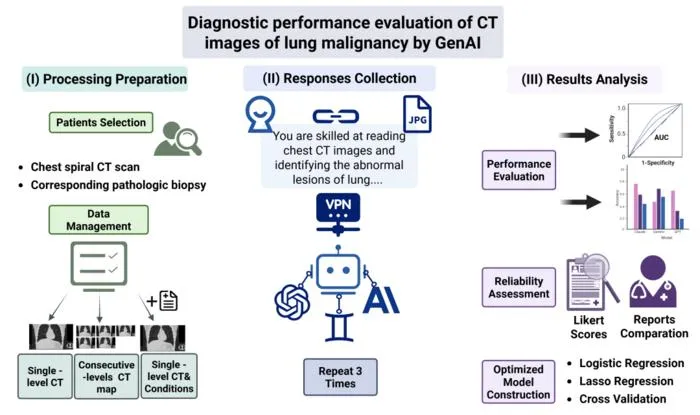
A new study evaluates the diagnostic accuracy of three leading generative multimodal AI models in interpreting CT images for lung cancer detection.
Key Details
- 1Three models compared: Gemini-pro-vision (Google), Claude-3-opus (Anthropic), and GPT-4-turbo (OpenAI).
- 2On 184 malignant lung cases, Gemini achieved highest single-image accuracy (>90%), followed by Claude-3-opus, GPT lowest (65.2%).
- 3Gemini's performance dropped to 58.5% with continuous CT slices, indicating challenges with spatial reasoning in imaging.
- 4Simplified text prompts improved diagnostic AUCs: Gemini (0.76), GPT (0.73), and Claude (0.69).
- 5Claude-3-opus showed superior consistency and lower variation in lesion feature analysis.
- 6External validation with TCGA and MIDRC datasets supported findings, especially with simplified prompt strategies.
Why It Matters
This benchmark provides essential insight into the current capabilities and limitations of leading multimodal LLMs for radiological image analysis. Understanding model strengths, weaknesses, and prompt engineering strategies will guide their optimal integration into clinical workflows.

Source
EurekAlert
Related News
•EurekAlert
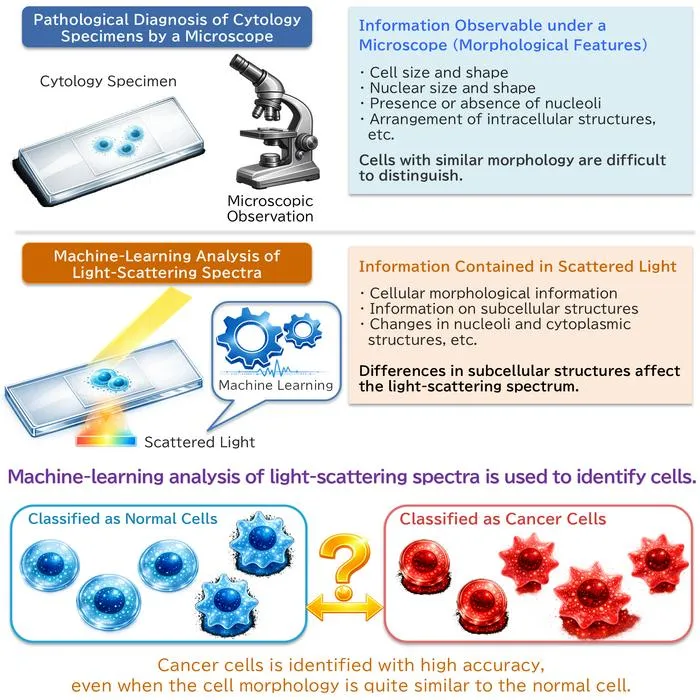
AI System Enhances Cancer Cell Detection via Light Scattering Spectra
Japanese researchers developed an AI system using light scattering spectra to improve cancer cell identification in cytology.
•EurekAlert
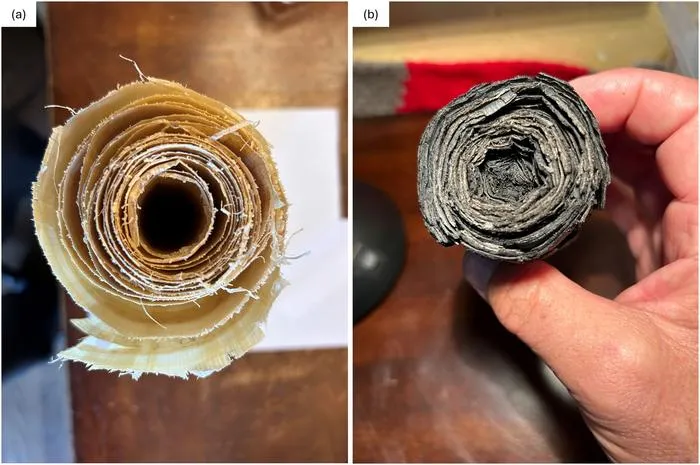
AI and X-ray Imaging Reveal Lost Texts in Ancient Roman Scrolls
AI and x-ray technology enable scientists to virtually read previously unreadable, carbonized Roman scrolls from Herculaneum.

•EurekAlert
AI’s Potential to Expand, Not Shrink, the Clinical Workforce
AI advancements may lead to more, not fewer, healthcare jobs, challenging common fears about workforce reductions in specialties like radiology.