
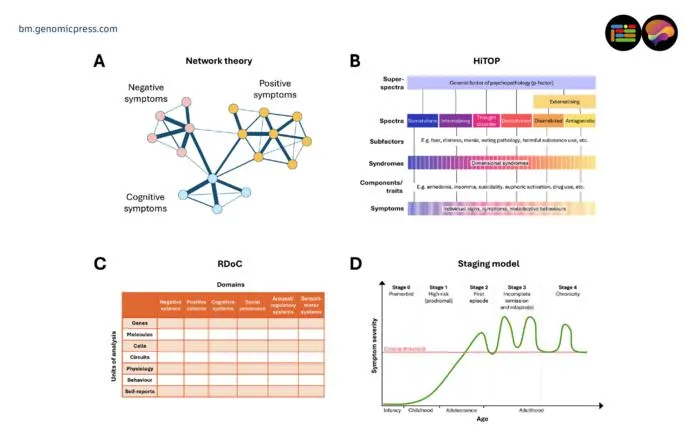
New review charts a roadmap for biologically informed psychiatric diagnosis using biomarkers and AI.
Key Details
- 1Psychiatric diagnosis still relies on symptom checklists, lacking biological grounding.
- 2Emerging frameworks combine molecular/neuroimaging biomarkers, digital phenotyping, and machine learning integration.
- 3Large consortia (e.g., ENIGMA) tie neuroimaging findings to psychiatric conditions like schizophrenia and depression.
- 4Molecular diagnostic tests (e.g., VeriPsych, EDIT-B) have reached limited clinical adoption; most candidate biomarkers lack clinical utility so far.
- 5AI and multimodal models show promise but face challenges with limited psychiatric datasets, lack of explainability, and real-world validation.
- 6Review emphasizes that objective biological measurement should complement—not replace—clinical judgment.
Why It Matters
For radiology and imaging AI professionals, this review highlights the expanding role of neuroimaging, molecular markers, and AI in mental health, a field historically reliant on subjective measures. Robust integration of imaging and digital phenotyping could reshape diagnosis, steering research and technology development towards actionable and explainable clinical tools.

Source
EurekAlert
Related News
•EurekAlert
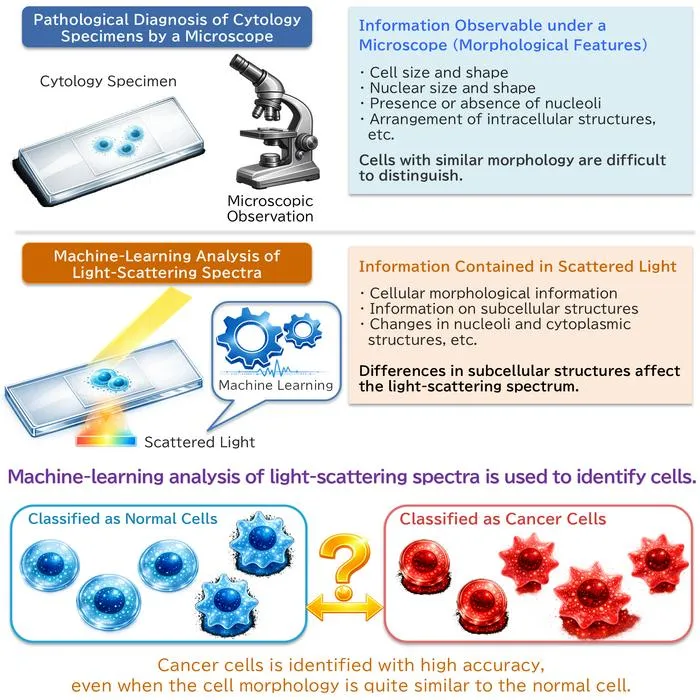
AI System Enhances Cancer Cell Detection via Light Scattering Spectra
Japanese researchers developed an AI system using light scattering spectra to improve cancer cell identification in cytology.
•EurekAlert
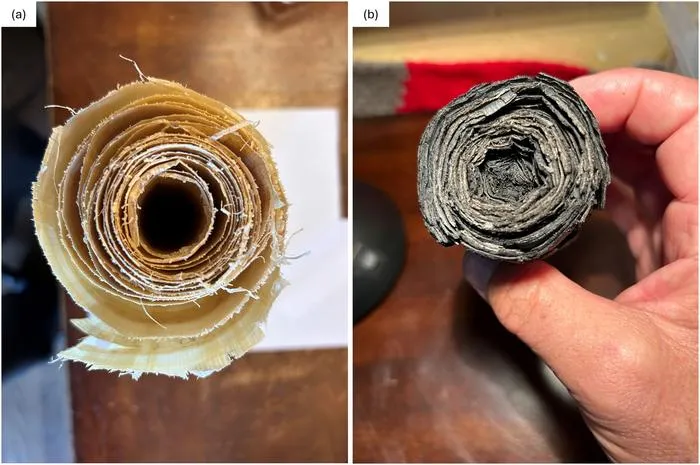
AI and X-ray Imaging Reveal Lost Texts in Ancient Roman Scrolls
AI and x-ray technology enable scientists to virtually read previously unreadable, carbonized Roman scrolls from Herculaneum.

•EurekAlert
AI’s Potential to Expand, Not Shrink, the Clinical Workforce
AI advancements may lead to more, not fewer, healthcare jobs, challenging common fears about workforce reductions in specialties like radiology.