
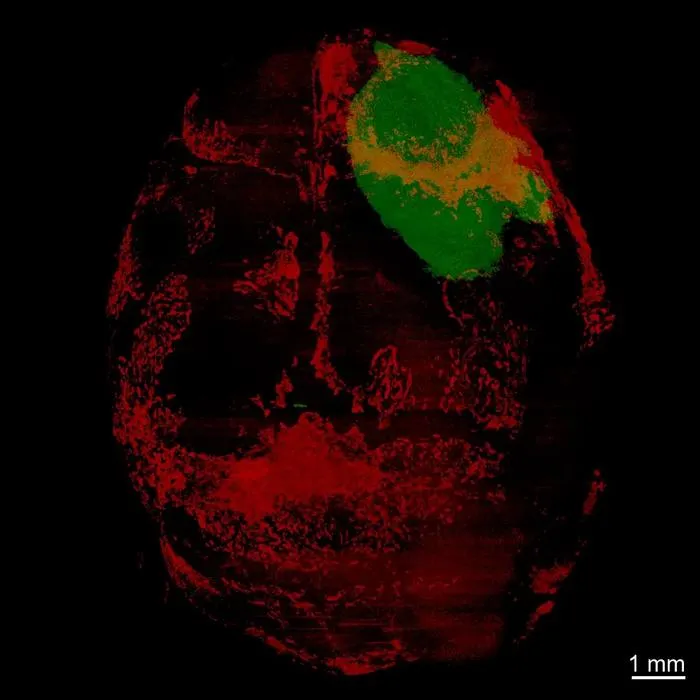
Advanced imaging uncovers that glioblastoma affects the skull and immune system, not just the brain.
Key Details
- 1Montefiore Einstein researchers found glioblastoma erodes skull bones and alters skull marrow immune makeup.
- 2CT imaging of patients showed similar skull erosions as seen in mouse models with glioblastoma.
- 3Single-cell RNA sequencing revealed a shift toward pro-inflammatory immune cells in the skull marrow.
- 4FDA-approved osteoporosis drugs halted skull erosion but made tumors more aggressive and impaired immunotherapy effects.
- 5Findings suggest glioblastoma should be seen as a systemic, not just local, disease.
Why It Matters
These findings highlight the need for radiologists to consider extracranial effects when imaging glioblastoma and suggest that traditional local-treatment approaches may overlook critical systemic interactions. Understanding these effects can influence both diagnostic imaging strategies and future treatment planning.

Source
EurekAlert
Related News

•EurekAlert
AI System Enhances Cancer Cell Detection via Light Scattering Spectra
Japanese researchers developed an AI system using light scattering spectra to improve cancer cell identification in cytology.
•EurekAlert
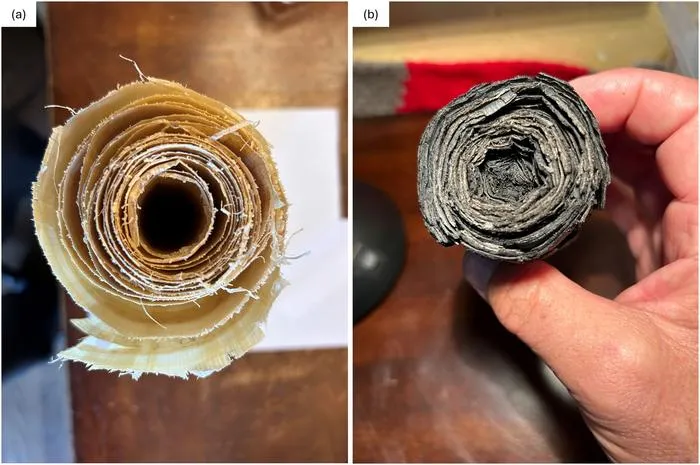
AI and X-ray Imaging Reveal Lost Texts in Ancient Roman Scrolls
AI and x-ray technology enable scientists to virtually read previously unreadable, carbonized Roman scrolls from Herculaneum.

•EurekAlert
AI’s Potential to Expand, Not Shrink, the Clinical Workforce
AI advancements may lead to more, not fewer, healthcare jobs, challenging common fears about workforce reductions in specialties like radiology.