
Brazilian and French researchers have developed an imaging-based AI tool to predict how multiple sclerosis patients will respond to natalizumab treatment.
Key Details
- 1Combines high-content cell imaging and machine learning to analyze patient blood samples before natalizumab therapy.
- 2Study used over 400 cell morphological features, with 130 key characteristics for prediction.
- 3Tool achieved 92% accuracy in discovery and 88% in validation cohorts for predicting drug response.
- 4Non-responders showed distinct actin remodeling and cell morphology (more elongated CD8+ T cells).
- 5Findings published in Nature Communications, suggesting potential for broader disease and drug applications.
Why It Matters
This research demonstrates how imaging AI and advanced cell analysis can enable more personalized and effective treatment strategies in neurology. Such approaches could optimize resource use, reduce side effects, and accelerate precision medicine adoption in radiology and adjacent fields.

Source
EurekAlert
Related News
•EurekAlert
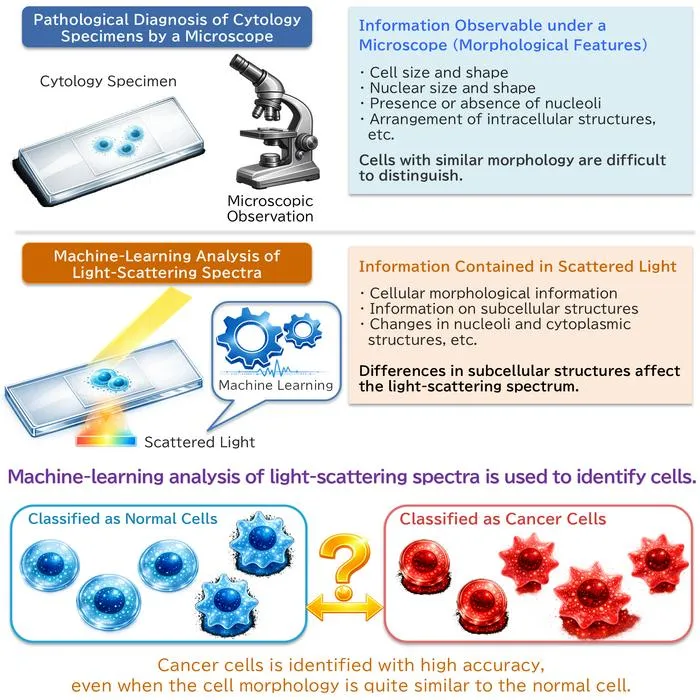
AI System Enhances Cancer Cell Detection via Light Scattering Spectra
Japanese researchers developed an AI system using light scattering spectra to improve cancer cell identification in cytology.
•EurekAlert
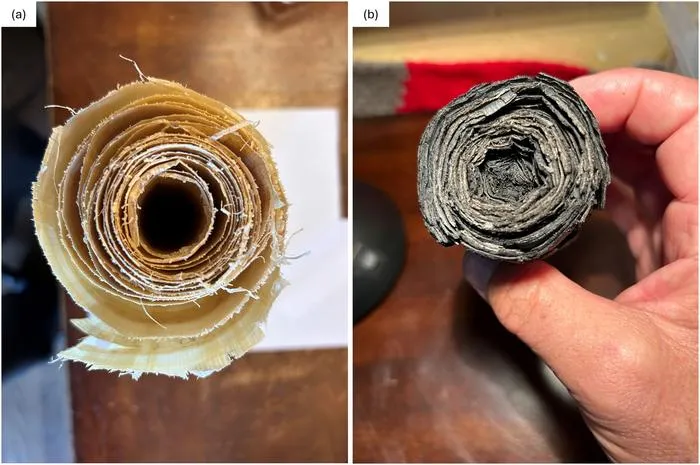
AI and X-ray Imaging Reveal Lost Texts in Ancient Roman Scrolls
AI and x-ray technology enable scientists to virtually read previously unreadable, carbonized Roman scrolls from Herculaneum.

•EurekAlert
AI’s Potential to Expand, Not Shrink, the Clinical Workforce
AI advancements may lead to more, not fewer, healthcare jobs, challenging common fears about workforce reductions in specialties like radiology.