

Researchers developed a hybrid AI model that significantly improves early lung cancer detection from CT scans.
Key Details
- 1Lung cancer causes approximately 1.8 million deaths annually, largely due to late diagnosis.
- 2The AI system uses a hybrid approach (CNN + transformer) to analyze both fine details and broader context in CT scans simultaneously.
- 3Tested on a dataset of healthy and cancerous cases, the model achieved over 96% accuracy, outperforming previous methods.
- 4The approach aims to support clinicians by improving detection rates and reducing false alarms and time per patient.
- 5Researchers note the need for larger, more diverse datasets for further validation, and clinical trials are planned.
- 6The methodology may also benefit other imaging domains, including brain and breast cancer diagnostics.
Why It Matters
This development could increase early detection rates, improve patient outcomes, and provide radiologists with a more reliable diagnostic tool. Such advances are crucial for adoption and validation of AI in routine clinical workflows.

Source
EurekAlert
Related News
•EurekAlert
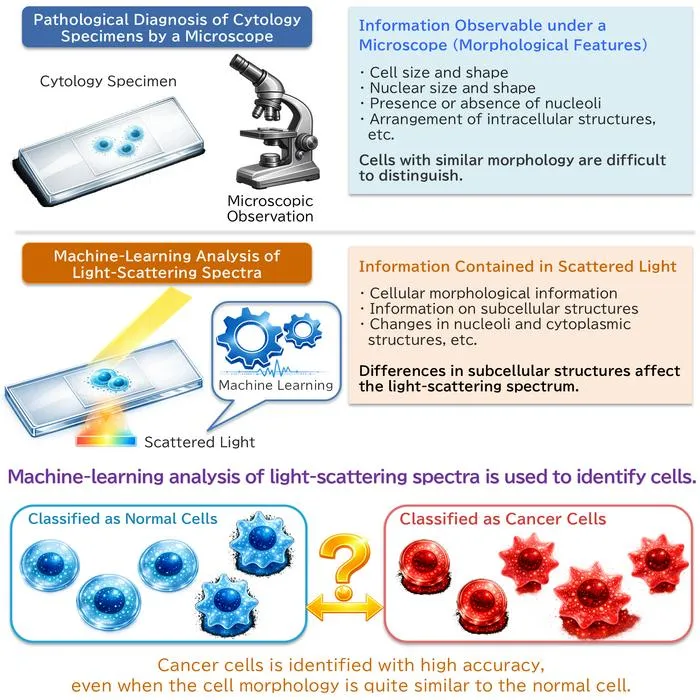
AI System Enhances Cancer Cell Detection via Light Scattering Spectra
Japanese researchers developed an AI system using light scattering spectra to improve cancer cell identification in cytology.
•EurekAlert
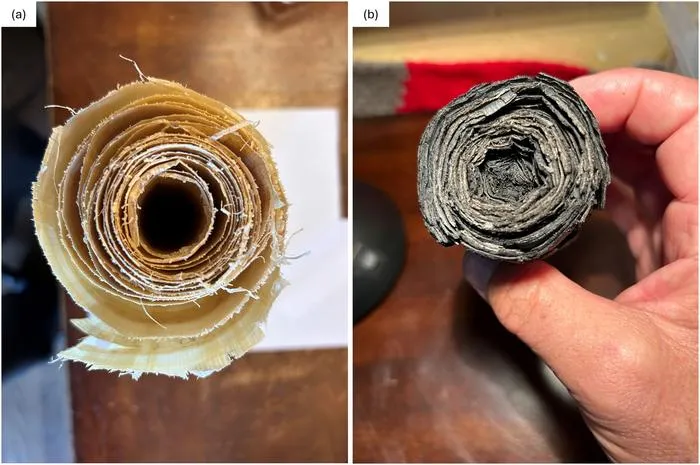
AI and X-ray Imaging Reveal Lost Texts in Ancient Roman Scrolls
AI and x-ray technology enable scientists to virtually read previously unreadable, carbonized Roman scrolls from Herculaneum.

•EurekAlert
AI’s Potential to Expand, Not Shrink, the Clinical Workforce
AI advancements may lead to more, not fewer, healthcare jobs, challenging common fears about workforce reductions in specialties like radiology.