
Back to all news
HKU Develops AI-Enabled Optical Device for Rapid, Non-Invasive Cancer Risk Assessment
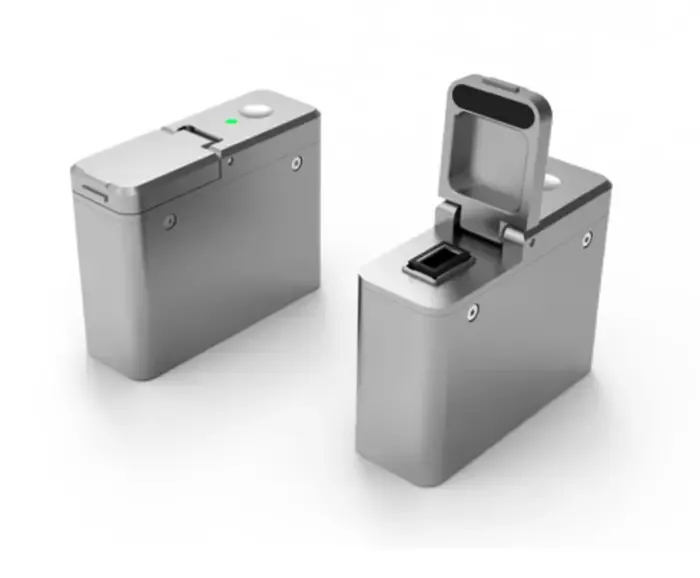
The University of Hong Kong has introduced a portable AI-enabled optical device for rapid, non-invasive cancer risk detection using saliva samples.
Key Details
- 1Device detects cancer risk through advanced chemical sensing and AI analysis of saliva samples.
- 2Detection process requires under 10 minutes and is designed for ease of use without medical personnel.
- 3Awarded a Gold Medal at the 51st International Exhibition of Inventions of Geneva (2026).
- 4Uses novel luminescent metal complexes that respond to DNA damage, signalling cancer-associated changes.
- 5Preliminary studies showed strong differentiation between healthy and cancer patients (breast and nasopharyngeal carcinoma).
- 6Large-scale clinical validations are underway in collaboration with multiple hospitals.
Why It Matters
This innovation represents a potential shift toward accessible, user-friendly cancer risk screening tools that leverage AI and advanced optical sensing, complementing traditional radiology and pathology workflows. Early, non-invasive detection could enhance monitoring, especially for high-risk populations, and advance integration between molecular diagnostics and digital health.

Source
EurekAlert
Related News
•EurekAlert
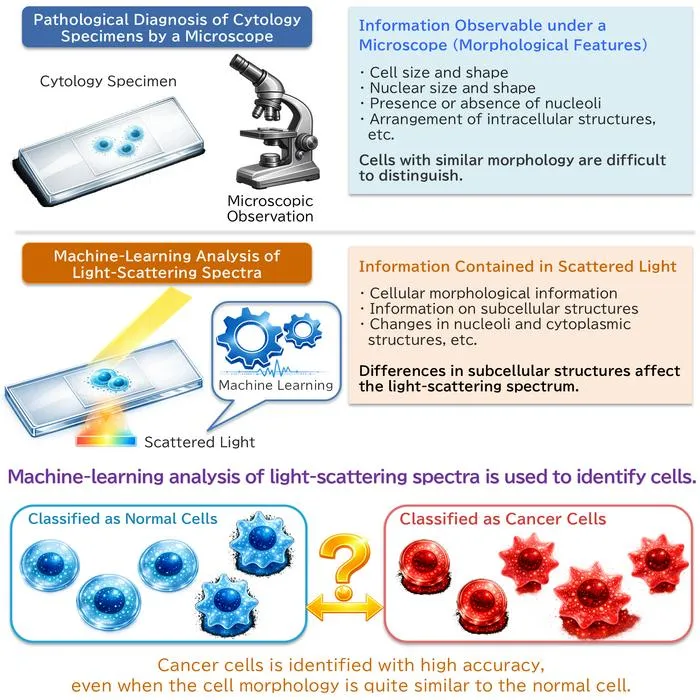
AI System Enhances Cancer Cell Detection via Light Scattering Spectra
Japanese researchers developed an AI system using light scattering spectra to improve cancer cell identification in cytology.
•EurekAlert
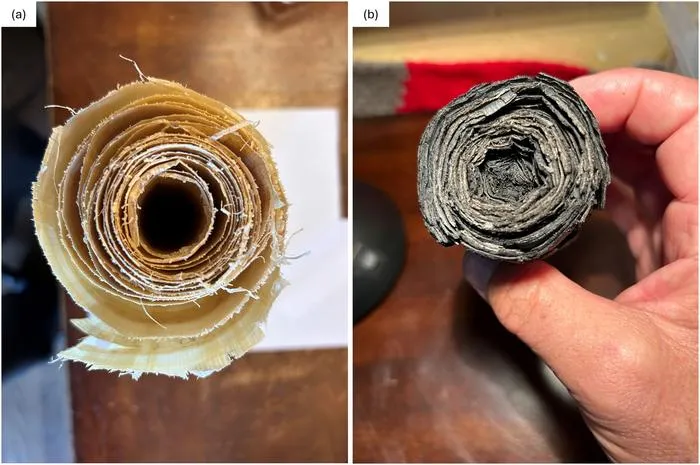
AI and X-ray Imaging Reveal Lost Texts in Ancient Roman Scrolls
AI and x-ray technology enable scientists to virtually read previously unreadable, carbonized Roman scrolls from Herculaneum.

•EurekAlert
AI’s Potential to Expand, Not Shrink, the Clinical Workforce
AI advancements may lead to more, not fewer, healthcare jobs, challenging common fears about workforce reductions in specialties like radiology.