
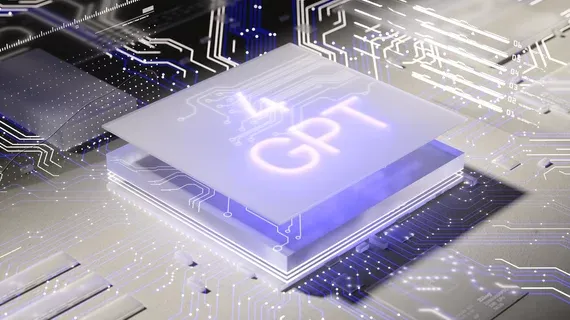
A new study finds that GPT-4o still faces significant hurdles in accurately interpreting medical images despite promising capabilities.
Key Details
- 1Researchers evaluated GPT-4o on 377 imaging cases across X-ray, CT, and MRI.
- 2The model did not receive clinical context or prior imaging for analysis.
- 3Three radiologists rated GPT-4o's responses using a 5-point scale.
- 4GPT-4o showed high accuracy in some instances but inconsistent, 'all or nothing' results in others.
- 5Potential applications include improving radiology workflows and expanding access to care in rural settings.
Why It Matters
The inconsistent performance of leading large language models like GPT-4o in medical imaging highlights both the potential value and current limitations of applying general AI models in radiology. Progress in this area could significantly impact radiology workflows and help mitigate specialist shortages, but further development and validation are clearly needed.
Source
Health Imaging
Related News
•Radiology Business
Real-World Study: Radiology AI Best in Emergency and Inpatient Settings
A commercial AI tool for intracranial aneurysm detection outperformed in inpatient and emergency settings but yielded limited benefits for outpatients in a major health system study.

•Radiology Business
New Rubric Enhances Safety of AI-Generated Radiology Summaries
Researchers developed a five-factor rubric to assess the safety and quality of AI-generated, patient-friendly radiology report summaries.
•Radiology Business
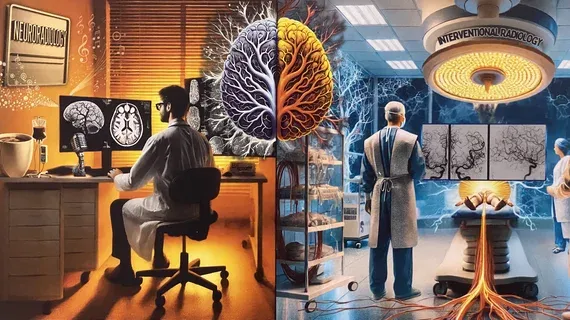
Healthcare Leader Warns AI Will Dominate Diagnostic Radiology
A leading oncologist urges future radiologists to specialize in interventional procedures due to AI advances in image interpretation.