
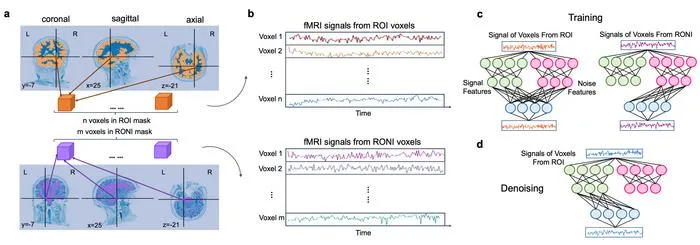
Boston College researchers developed a generative AI method that removes noise from fMRI brain scans, achieving over 200% improvement compared to prior techniques.
Key Details
- 1Boston College team created DeepCor, an AI-based denoising method for fMRI images.
- 2DeepCor improved performance by over 200% compared to previous methods such as CompCor.
- 3In real fMRI data, DeepCor achieved a 215% improvement in noise removal from face responses and 339% for clarifying synthetic data.
- 4The study was published in Nature Methods on November 28, 2025 (DOI: 10.1038/s41592-025-02967-x).
- 5Generative AI distinguishes between noise patterns in neural and non-neural brain regions.
- 6Accessible deployment and denoising large public datasets are targeted next steps.
Why It Matters
Effective removal of noise from fMRI data facilitates more accurate brain imaging, potentially accelerating neuroscience discoveries and clinical research. This improvement in image quality could set a new standard for preprocessing in neuroimaging and radiology AI workflows.

Source
EurekAlert
Related News
•EurekAlert
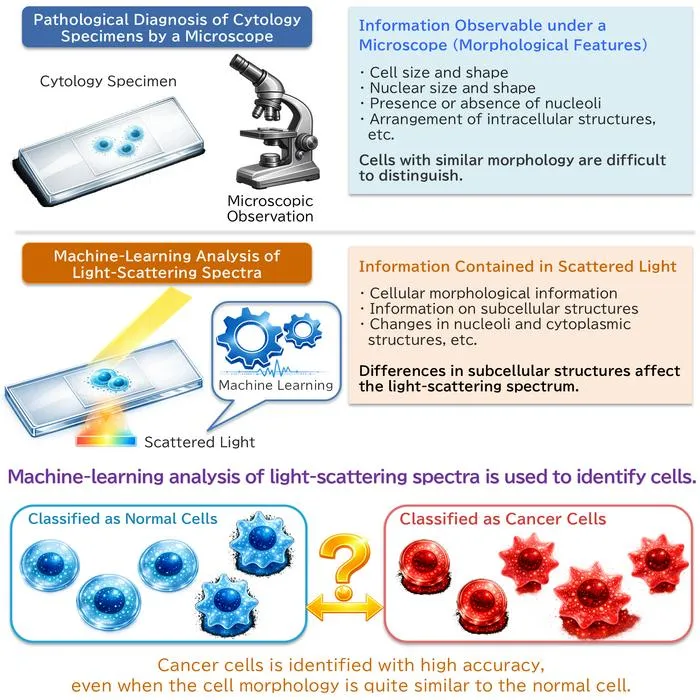
AI System Enhances Cancer Cell Detection via Light Scattering Spectra
Japanese researchers developed an AI system using light scattering spectra to improve cancer cell identification in cytology.
•EurekAlert
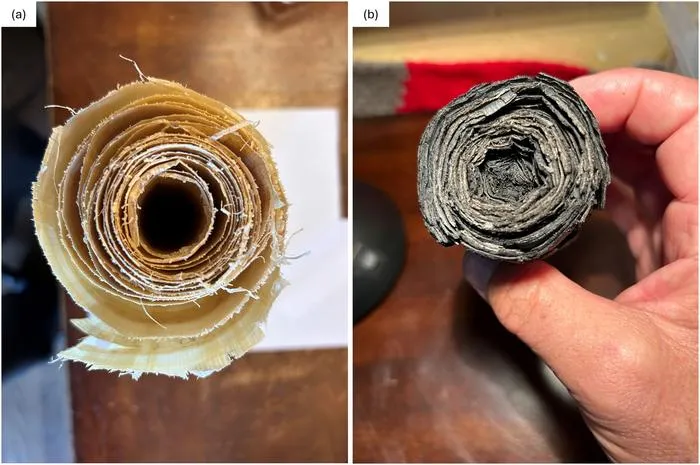
AI and X-ray Imaging Reveal Lost Texts in Ancient Roman Scrolls
AI and x-ray technology enable scientists to virtually read previously unreadable, carbonized Roman scrolls from Herculaneum.

•EurekAlert
AI’s Potential to Expand, Not Shrink, the Clinical Workforce
AI advancements may lead to more, not fewer, healthcare jobs, challenging common fears about workforce reductions in specialties like radiology.