
A new lifecycle framework outlines practical steps for sustainable digital pathology and AI program implementation in clinical labs.
Key Details
- 1Digital pathology (DP) is shifting from an adjunct to a primary diagnostic tool in U.S. labs.
- 2Persistent barriers include high costs, interoperability, workflow disruption, and regulatory requirements.
- 3The framework covers infrastructure, workflow redesign, compliance, cost management, interoperability, security, education, and governance.
- 4AI readiness assessment includes data quality, integration, validation, monitoring, governance, and workforce training.
- 5Emphasizes separation between device authorization and lab validation for optimal quality management.
Why It Matters
As digital pathology adoption accelerates, labs require robust frameworks to navigate the technical, clinical, regulatory, and AI readiness demands. This comprehensive approach positions institutions to achieve clinical benefits and to safely implement future imaging AI tools.

Source
EurekAlert
Related News
•EurekAlert
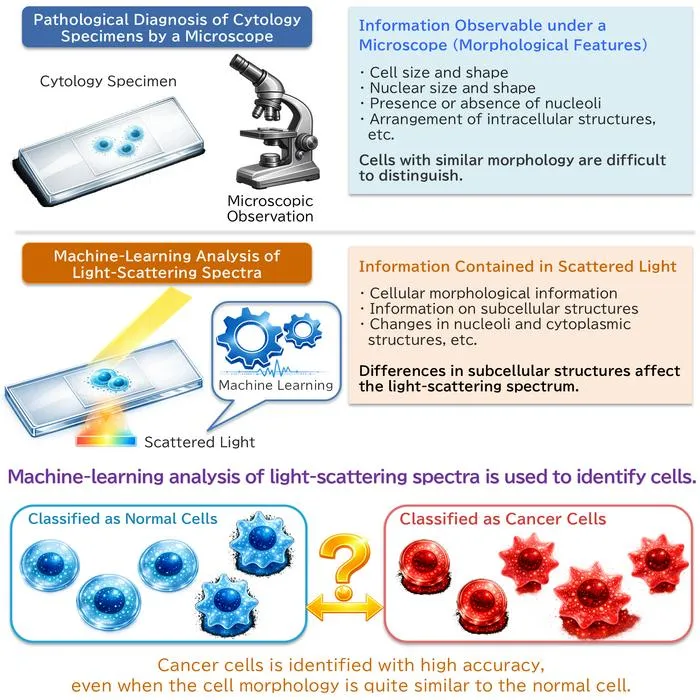
AI System Enhances Cancer Cell Detection via Light Scattering Spectra
Japanese researchers developed an AI system using light scattering spectra to improve cancer cell identification in cytology.
•EurekAlert
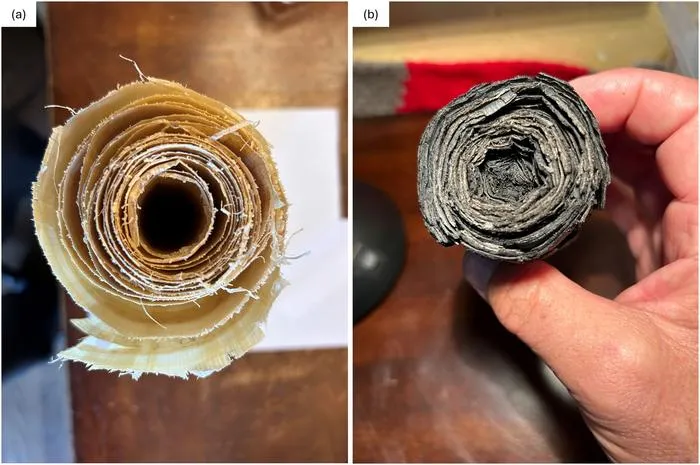
AI and X-ray Imaging Reveal Lost Texts in Ancient Roman Scrolls
AI and x-ray technology enable scientists to virtually read previously unreadable, carbonized Roman scrolls from Herculaneum.

•EurekAlert
AI’s Potential to Expand, Not Shrink, the Clinical Workforce
AI advancements may lead to more, not fewer, healthcare jobs, challenging common fears about workforce reductions in specialties like radiology.