

FDA clears an AI-driven system developed by Johns Hopkins to detect sepsis up to 48 hours earlier and reduce mortality rates.
Key Details
- 1FDA has approved the Targeted Real-Time Early Warning System for sepsis from researchers at Johns Hopkins, commercialized by Bayesian Health.
- 2The AI analyzes electronic health records to identify sepsis earlier than doctors traditionally can—often by 2 to 48 hours.
- 3System deployment in multiple hospitals reduced sepsis mortality rates by 18% and shortened hospital stays.
- 4Sepsis leads to over 250,000 deaths annually in the US and accounts for one in three in-hospital deaths.
- 5FDA clearance enables hospitals to bill Medicare/Medicaid under the New Technology Add-on Payment program.
- 6The solution demonstrates robust clinical AI integration with real-world hospital data for actionable guidance.
Why It Matters
The FDA's clearance of this early sepsis warning system marks a significant milestone for clinical AI adoption, demonstrating real-world impact on patient outcomes. It highlights how machine learning can augment clinical vigilance and potentially become part of standard hospital care, informing future radiology-AI solutions.

Source
EurekAlert
Related News
•EurekAlert
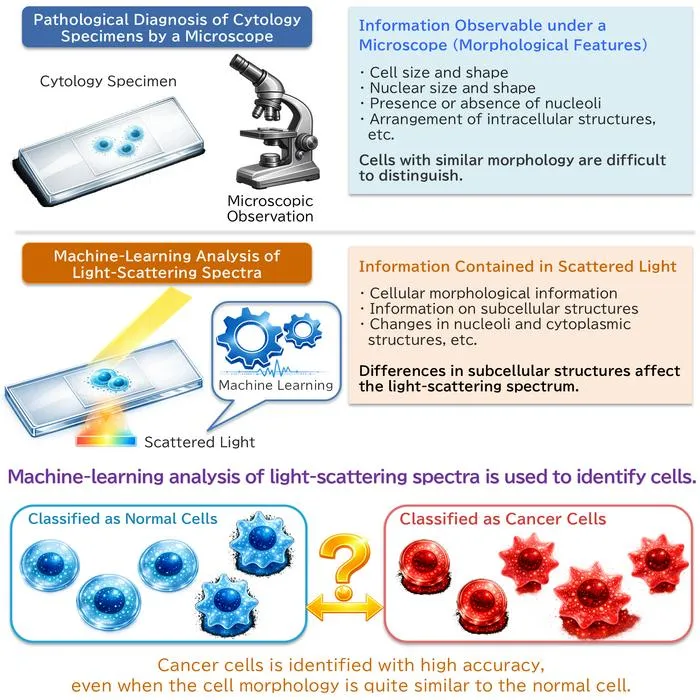
AI System Enhances Cancer Cell Detection via Light Scattering Spectra
Japanese researchers developed an AI system using light scattering spectra to improve cancer cell identification in cytology.
•EurekAlert
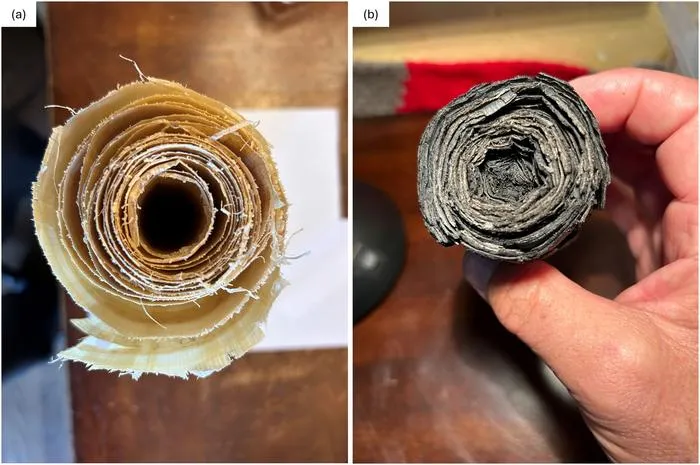
AI and X-ray Imaging Reveal Lost Texts in Ancient Roman Scrolls
AI and x-ray technology enable scientists to virtually read previously unreadable, carbonized Roman scrolls from Herculaneum.

•EurekAlert
NYU AI Model Improves 5-Year Breast Cancer Risk Prediction via 3D Mammograms
NYU researchers developed an AI model using longitudinal 3D mammograms that outperforms single-scan and 2D-based tools in predicting 5-year breast cancer risk.