
A new report urges equitable development and oversight of AI in neurological imaging to avoid worsening healthcare disparities.
Key Details
- 1UCLA Health and collaborators published a Neurology journal report assessing AI's dual impact in neurological care.
- 2AI already aids doctors in classifying brain tumors and stroke imaging for faster decisions.
- 3Researchers highlight risks for bias due to underrepresentation of certain groups in datasets.
- 4Three guiding principles recommended: diverse stakeholder input, AI education for neurologists, and strong independent governance.
- 5The aim is for AI to advance equity, particularly in resource-limited and underrepresented communities.
- 6The literature review involves experts from healthcare, FDA, and AI industry.
Why It Matters
As AI tools become deeply integrated in radiology and neurology, the risk of amplifying health disparities looms if bias and poor governance are not addressed. Adopting proposed safeguards is essential to ensure equitable benefits for all patients and sustainable trust in imaging AI.

Source
EurekAlert
Related News
•EurekAlert
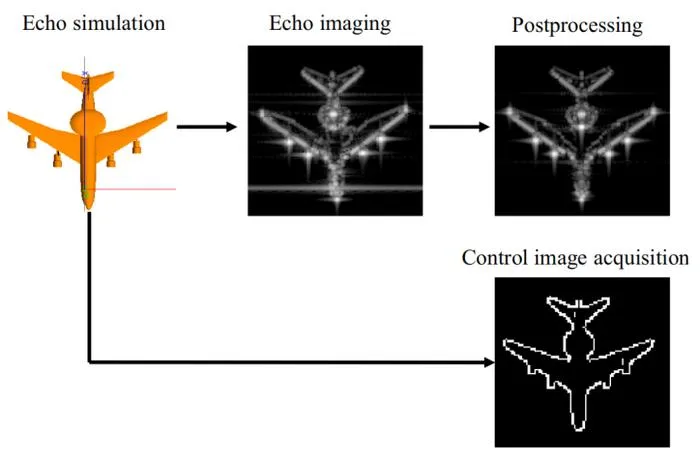
AI Achieves Precision in Generating Radar Images at Specific Attitudes
Researchers introduce a ControlNet-based AI method for precise, attitude-controllable radar image generation of noncooperative targets.
•EurekAlert
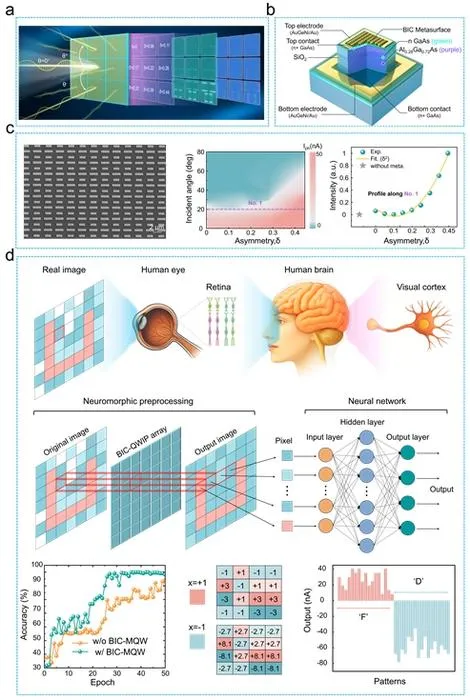
Novel Nanophotonic Chip Enhances Machine Vision with Quantum Wells and Metasurfaces
Researchers developed a nanophotonic processor integrating quasi-BIC metasurfaces with MQWs, demonstrating tunable photoresponse for advanced machine vision.

•EurekAlert
RADAR AI Sets New Standard in Abdominal CT Diagnosis
The RADAR vision-language AI model shows expert-level diagnostic ability for abdominal CT across multiple diseases and clinical settings.