
Back to all news
Einstein College Awarded $18M NIH Grant to Develop AI Tools for Mental Health Crisis Prediction
Albert Einstein College of Medicine received an $18 million NIH grant to create AI-based tools for predicting mental health crises using cognitive monitoring.
Key Details
- 1$18 million NIH grant awarded to Albert Einstein College of Medicine.
- 2Project aims to develop AI algorithms and digital cognitive assessment tools for predicting crises in severe mental illnesses (SMI) like schizophrenia and bipolar disorder.
- 3Study will recruit 1,500 psychiatric inpatients at McLean Hospital and follow 250 participants post-discharge.
- 4Tools will use real-time cognitive and symptom-monitoring data to forecast risk of crisis, hospitalization, and rehospitalization.
- 5The digital platform will be available at no cost to mental health professionals, expanding access.
Why It Matters
This project brings advanced AI and digital assessment techniques into the prediction and prevention of severe neuropsychiatric crises—areas closely linked with neuroradiology and imaging AI. The initiative represents a step toward personalized care and resource optimization in mental health, which could complement imaging-led brain health diagnostics.

Source
EurekAlert
Related News

•EurekAlert
AI Enhancement Boosts Handheld Ultrasound for Carotid Plaque Detection
AI-powered post-processing improves handheld ultrasound detection of small or faint carotid plaques in community screening.
•EurekAlert
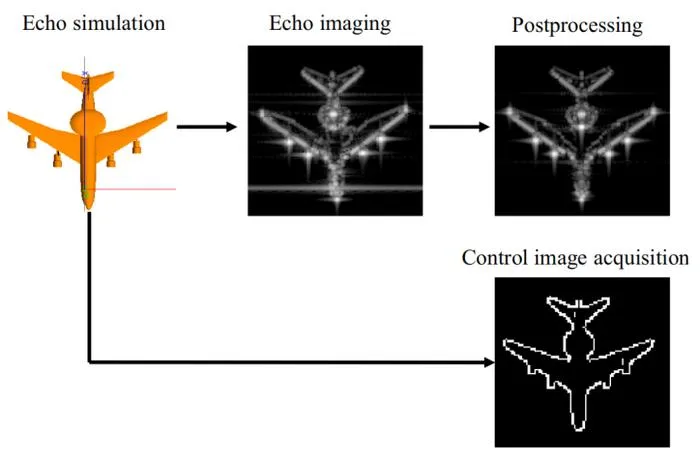
AI Achieves Precision in Generating Radar Images at Specific Attitudes
Researchers introduce a ControlNet-based AI method for precise, attitude-controllable radar image generation of noncooperative targets.
•EurekAlert
RADAR AI Sets New Standard in Abdominal CT Diagnosis
The RADAR vision-language AI model shows expert-level diagnostic ability for abdominal CT across multiple diseases and clinical settings.