
ECU researchers developed an AI algorithm that improves early detection and disease staging using medical imaging.
Key Details
- 1Supervised Contrastive Ordinal Learning algorithm was developed at Edith Cowan University.
- 2It uses imaging modalities such as bone density scans and ultrasounds for detection and staging.
- 3Achieved 85% accuracy and 79% sensitivity for Abdominal Aortic Calcification (early CVD indicator).
- 4Attained 87% accuracy/84% sensitivity in diagnosing Diabetic Retinopathy and 91% accuracy for breast cancer staging.
- 5Can differentiate between healthy and diseased individuals by learning disease-specific traits.
- 6Results will be presented at MICCAI Conference in Korea later this year.
Why It Matters
This AI system demonstrates significant improvements in accuracy for diagnosing and staging major diseases, potentially reducing subjectivity and the workload for clinicians. Early, precise detection using widely available imaging could enhance patient outcomes and expand access to advanced diagnostics.

Source
EurekAlert
Related News
•EurekAlert
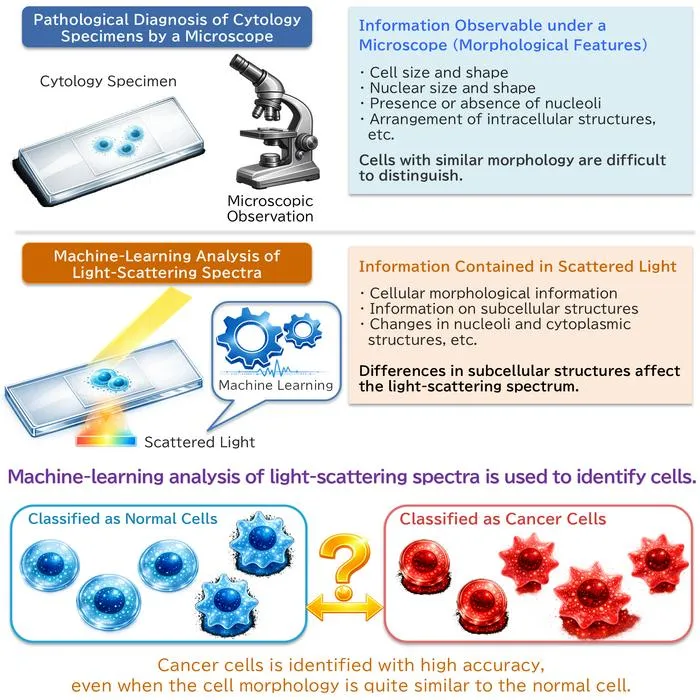
AI System Enhances Cancer Cell Detection via Light Scattering Spectra
Japanese researchers developed an AI system using light scattering spectra to improve cancer cell identification in cytology.
•EurekAlert
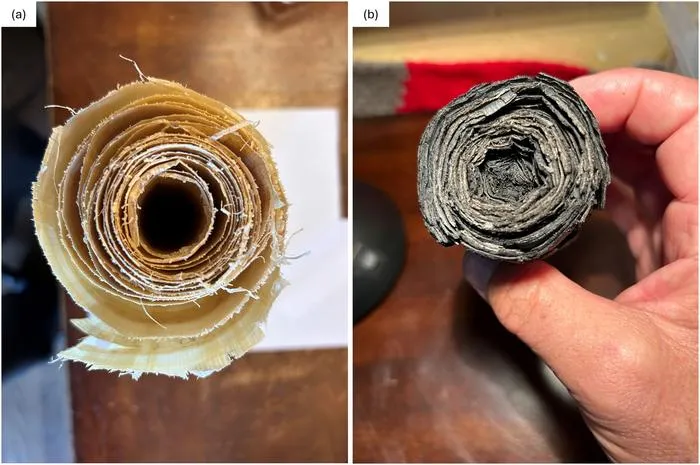
AI and X-ray Imaging Reveal Lost Texts in Ancient Roman Scrolls
AI and x-ray technology enable scientists to virtually read previously unreadable, carbonized Roman scrolls from Herculaneum.

•EurekAlert
AI’s Potential to Expand, Not Shrink, the Clinical Workforce
AI advancements may lead to more, not fewer, healthcare jobs, challenging common fears about workforce reductions in specialties like radiology.