
A study using brain imaging and biomarker data identified three distinct patterns of cognitive decline in people with preclinical Alzheimer's disease.
Key Details
- 1Researchers analyzed 6-year data from the A4 and LEARN studies, involving people with preclinical Alzheimer's.
- 2Three cognitive trajectories were identified: stable, slow decline, and fast decline; 70% of participants remained stable.
- 3Higher baseline levels of phosphorylated tau (P-tau217) and brain scan tau markers, as well as smaller hippocampal volumes, predicted greater cognitive decline.
- 4Biomarker models could predict stable vs. declining status with about 70% accuracy.
- 5Findings suggest many clinical trial participants do not decline, complicating drug effect measurement.
Why It Matters
The study advances understanding of heterogeneity in Alzheimer's progression and highlights the potential for imaging biomarkers (e.g., PET, MRI) to inform prognosis and participant selection in clinical trials. Improved prediction via imaging and AI could optimize trial design and enable more personalized care in neurodegenerative disease.

Source
EurekAlert
Related News
•EurekAlert
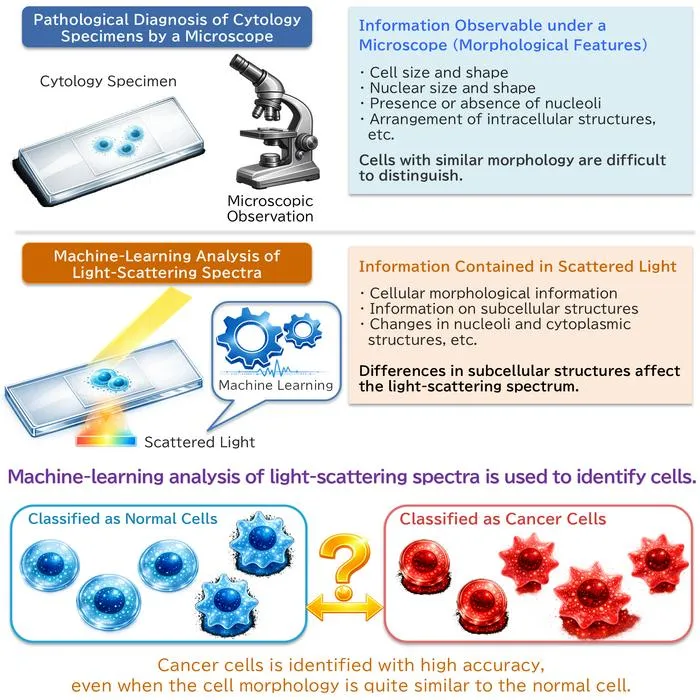
AI System Enhances Cancer Cell Detection via Light Scattering Spectra
Japanese researchers developed an AI system using light scattering spectra to improve cancer cell identification in cytology.
•EurekAlert
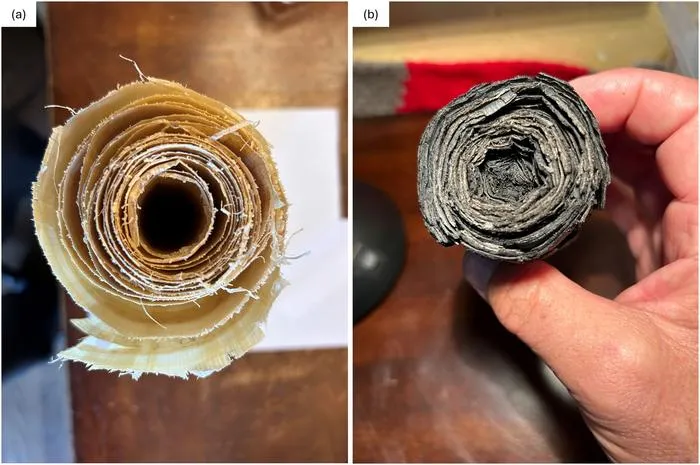
AI and X-ray Imaging Reveal Lost Texts in Ancient Roman Scrolls
AI and x-ray technology enable scientists to virtually read previously unreadable, carbonized Roman scrolls from Herculaneum.

•EurekAlert
AI’s Potential to Expand, Not Shrink, the Clinical Workforce
AI advancements may lead to more, not fewer, healthcare jobs, challenging common fears about workforce reductions in specialties like radiology.