
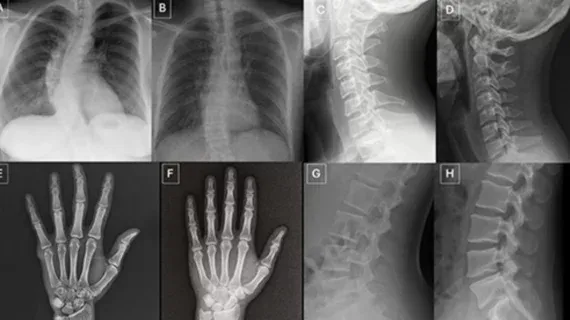
Both radiologists and AI models struggle to differentiate between authentic and AI-generated ('deepfake') radiographic images, raising major security and clinical concerns.
Key Details
- 1Research published in RSNA's Radiology shows deepfake X-rays are highly convincing, deceiving even expert radiologists.
- 217 radiologists from 12 centers across 6 countries participated in the study.
- 3Images included AI-generated X-rays (from GPT-4o or RoentGen) mixed with real exams.
- 4Even when aware of the presence of fakes, radiologists could not reliably distinguish between authentic and fake images.
- 5The risk includes fraudulent litigation and potential for clinical harm if synthetic images are injected into hospital records.
Why It Matters
This highlights a major vulnerability in digital radiology workflows, with implications for cybersecurity, clinical accuracy, and legal liability. Increased vigilance and improved detection methods are urgently needed to safeguard medical imaging integrity.

Source
Radiology Business
Related News
•Radiology Business
Real-World Study: Radiology AI Best in Emergency and Inpatient Settings
A commercial AI tool for intracranial aneurysm detection outperformed in inpatient and emergency settings but yielded limited benefits for outpatients in a major health system study.
•Radiology Business
New Rubric Enhances Safety of AI-Generated Radiology Summaries
Researchers developed a five-factor rubric to assess the safety and quality of AI-generated, patient-friendly radiology report summaries.

•Radiology Business
Harrison.ai Restructures and Launches U.S. AI-Enabled Teleradiology Venture
Harrison.ai lays off staff amid major restructuring and launches Frontier Radiology, an AI-powered U.S. teleradiology business.