
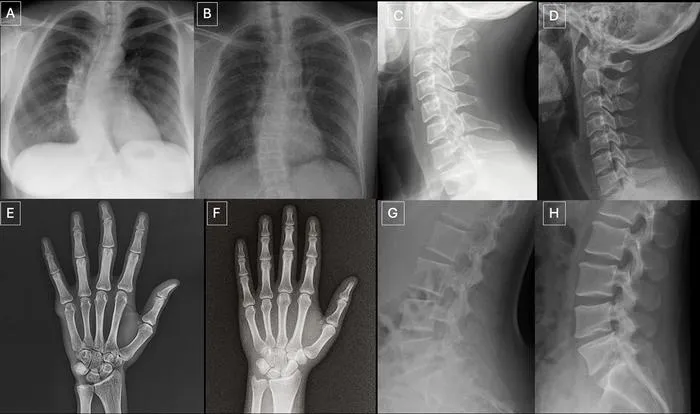
Radiologists and leading AI models struggle to distinguish AI-generated deepfake X-ray images from authentic radiographs, according to a recent Radiology journal study.
Key Details
- 1Study involved 264 X-ray images, half real and half generated by AI models, including ChatGPT-4o and RoentGen.
- 217 radiologists from six countries participated, with accuracy in identifying deepfake images ranging from 58% to 92%.
- 3Four leading multimodal LLMs (GPT-4o, GPT-5, Gemini 2.5 Pro, Llama 4 Maverick) had detection accuracies between 52% and 89%.
- 4No correlation was found between years of radiology experience and accuracy; musculoskeletal specialists performed better than others.
- 5Common AI-deepfake X-ray features included overly smooth bones, symmetric lungs, and unnaturally straight spines.
- 6Proposed safeguards include invisible watermarks and cryptographic image signatures.
Why It Matters
These findings expose high-stakes risks for clinical practice, legal proceedings, and hospital cybersecurity as synthetic images become increasingly authentic. Urgent adoption of digital safeguards and specialized training is needed to protect the integrity of medical imaging.

Source
EurekAlert
Related News
•EurekAlert
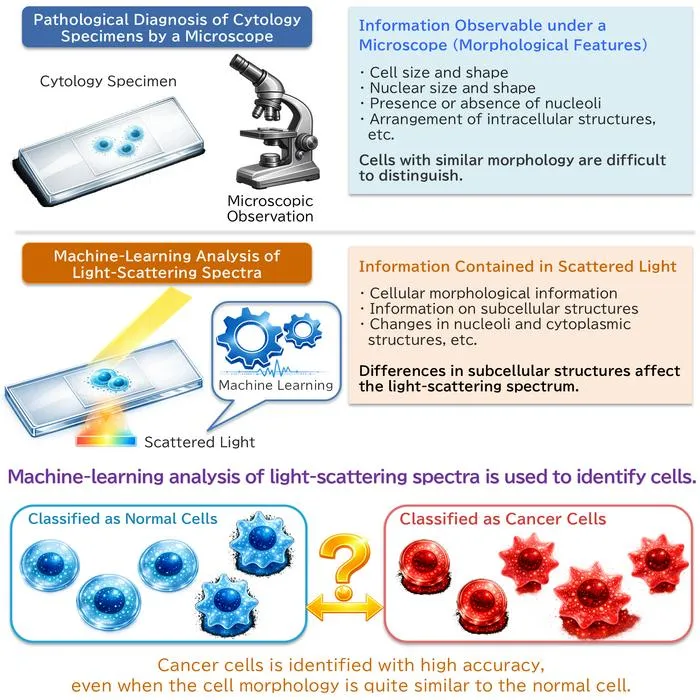
AI System Enhances Cancer Cell Detection via Light Scattering Spectra
Japanese researchers developed an AI system using light scattering spectra to improve cancer cell identification in cytology.
•EurekAlert
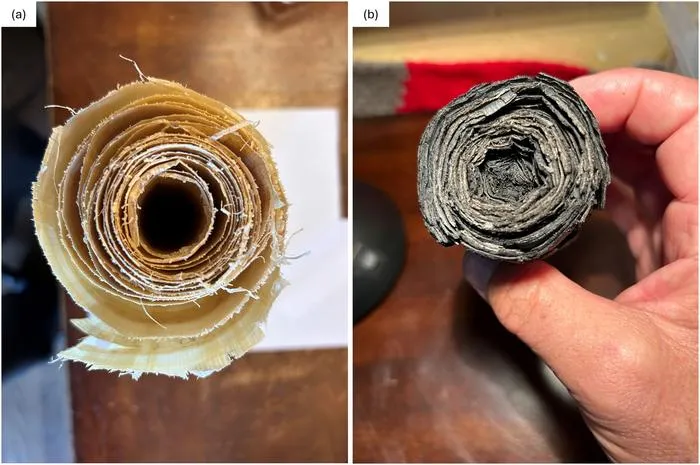
AI and X-ray Imaging Reveal Lost Texts in Ancient Roman Scrolls
AI and x-ray technology enable scientists to virtually read previously unreadable, carbonized Roman scrolls from Herculaneum.
•EurekAlert
AI’s Potential to Expand, Not Shrink, the Clinical Workforce
AI advancements may lead to more, not fewer, healthcare jobs, challenging common fears about workforce reductions in specialties like radiology.