
KAUST researchers introduce deepBlastoid, an AI platform automating and standardizing classification of human blastoids from brightfield images with high accuracy and efficiency.
Key Details
- 1deepBlastoid uses a ResNet-18 architecture to classify human blastoid images in five categories.
- 2The curated dataset includes 17,133 brightfield images, with 2,407 expert-labeled.
- 3Achieved up to 97% accuracy by combining the base model (87%) with a Confidence Rate metric for expert fallback.
- 4Processes 273.6 images per second—1,000 times faster than human experts.
- 5Tool validated in drug dose optimization and safety assessment use cases.
- 6Publicly available tools and dataset support global research customization.
Why It Matters
DeepBlastoid exemplifies the potential of AI-powered image analysis for scalable, objective, and reproducible evaluation in developmental biology—a workflow parallel to emerging radiology and digital pathology automation. Its open-source tools may inspire similar strategies for image-intensive tasks in radiology and pathology.

Source
EurekAlert
Related News
•EurekAlert
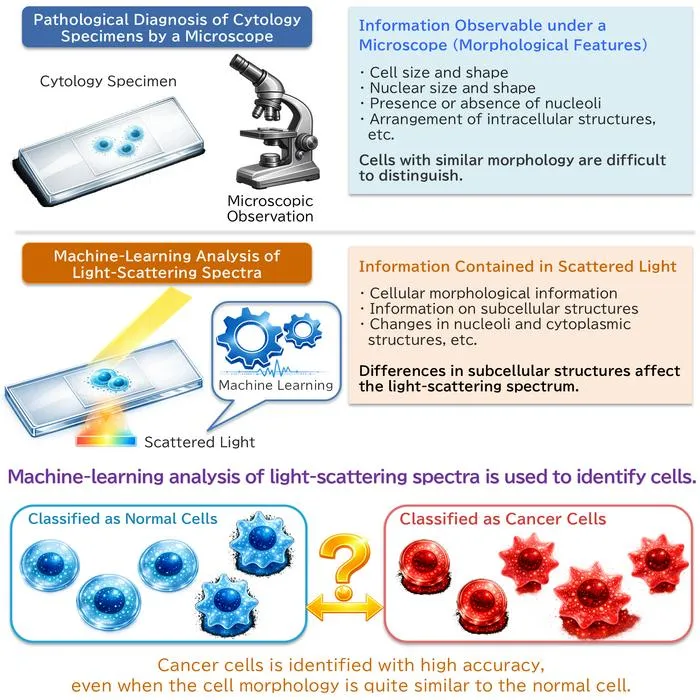
AI System Enhances Cancer Cell Detection via Light Scattering Spectra
Japanese researchers developed an AI system using light scattering spectra to improve cancer cell identification in cytology.
•EurekAlert
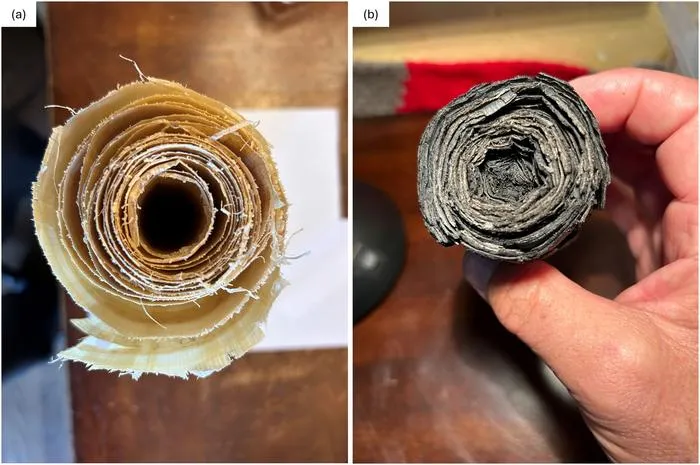
AI and X-ray Imaging Reveal Lost Texts in Ancient Roman Scrolls
AI and x-ray technology enable scientists to virtually read previously unreadable, carbonized Roman scrolls from Herculaneum.

•EurekAlert
AI’s Potential to Expand, Not Shrink, the Clinical Workforce
AI advancements may lead to more, not fewer, healthcare jobs, challenging common fears about workforce reductions in specialties like radiology.