
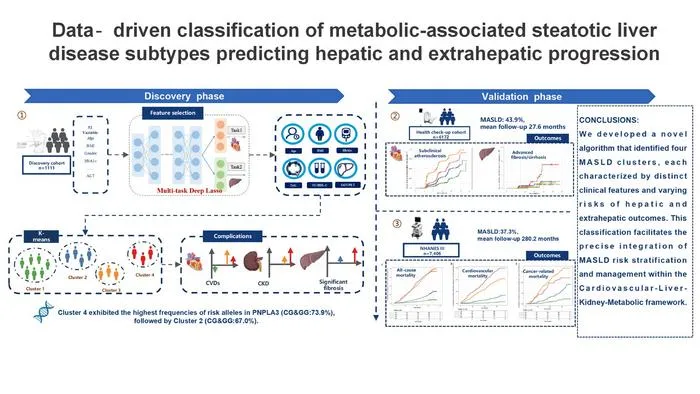
Researchers developed a deep learning-driven MASLD classification system for precision risk management.
Key Details
- 1Study analyzed 1,111 liver biopsies to train a deep LASSO model using six clinical indicators.
- 2Algorithm defined four MASLD subtypes with distinct risk profiles for hepatic and extrahepatic complications.
- 3External validation performed in cohorts of 6,172 and 7,406 adults; clustering was consistent.
- 4Cluster 4 displayed highest risk for combined cardiovascular, liver, and kidney complications, and high frequency of PNPLA3 risk alleles.
- 5The classification intends to tailor interventions, such as prioritizing fibrosis screening or cardiorenal protection, by subtype.
Why It Matters
The use of advanced AI/machine learning in clinical stratification sets a precedent for data-driven, precision approaches in metabolic and cardiometabolic disease management. Implications exist for integration with imaging biomarkers and improving targeted clinical decision-making in radiology and hepatology.

Source
EurekAlert
Related News
•EurekAlert
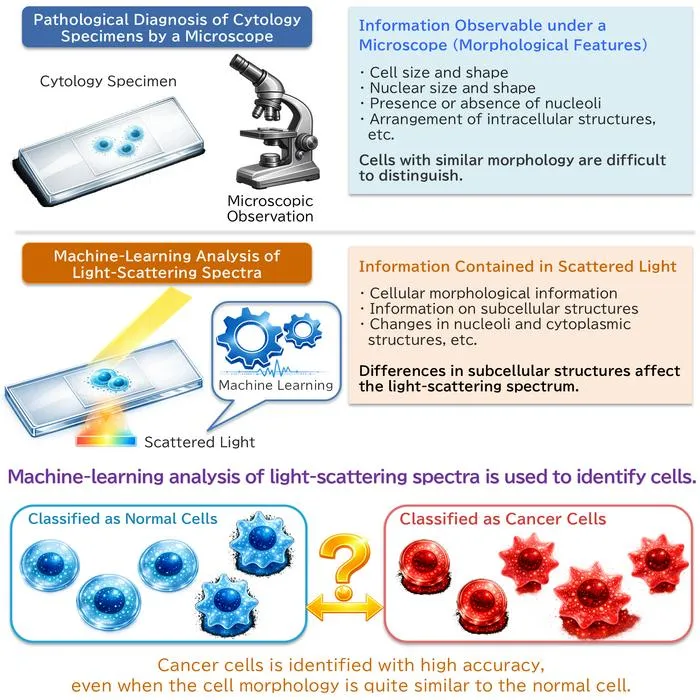
AI System Enhances Cancer Cell Detection via Light Scattering Spectra
Japanese researchers developed an AI system using light scattering spectra to improve cancer cell identification in cytology.
•EurekAlert
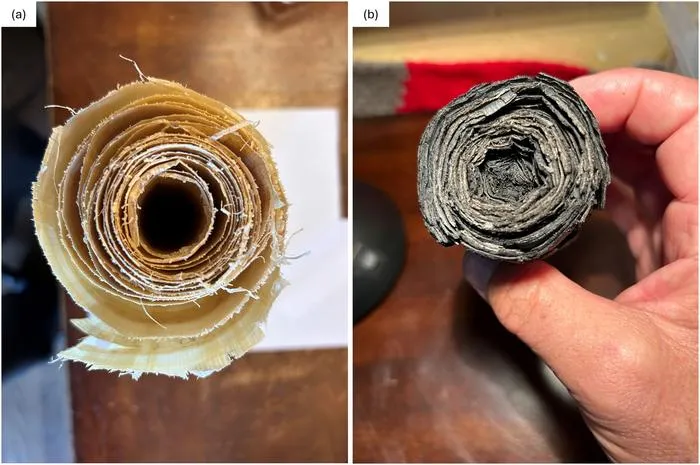
AI and X-ray Imaging Reveal Lost Texts in Ancient Roman Scrolls
AI and x-ray technology enable scientists to virtually read previously unreadable, carbonized Roman scrolls from Herculaneum.

•EurekAlert
AI’s Potential to Expand, Not Shrink, the Clinical Workforce
AI advancements may lead to more, not fewer, healthcare jobs, challenging common fears about workforce reductions in specialties like radiology.