
A deep learning pathomics platform accurately predicts immunotherapy response in metastatic NSCLC using routine pathology slides.
Key Details
- 1The Path-IO model uses AI to analyze digital pathology slides from NSCLC patients.
- 2Tested on 797 patients (MD Anderson) and validated on 280 international patients (including Lung-MAP S1400I trial).
- 3The model stratified patients into high- and low-risk groups, doubling risk in the high-risk cohort.
- 4Path-IO outperformed PD-L1 biomarker: Path-IO C-indices up to 0.69 (OS) and 0.65 (PFS); PD-L1 indices as low as 0.50-0.58.
- 5Integrating radiomics and clinical data improved prediction performance further (C-index for OS to 0.75, PFS to 0.70).
- 6Study validated across real-world and phase III trial cohorts, though retrospective; prospective validation is the next step.
Why It Matters
This work demonstrates that advanced AI analysis of digital pathology can outperform traditional biomarkers in predicting immunotherapy outcomes. If validated further, such tools could help personalize treatment for cancer patients, offering a significant advance in precision oncology and imaging AI.

Source
EurekAlert
Related News
•EurekAlert
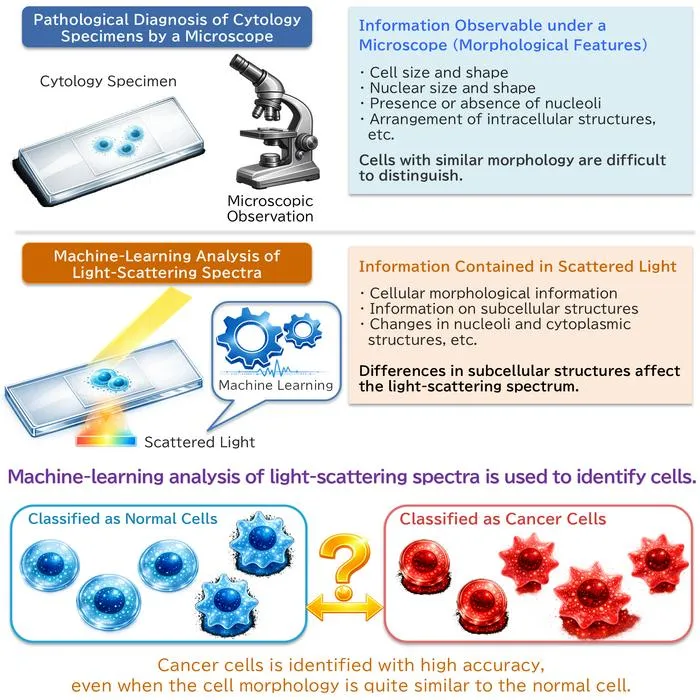
AI System Enhances Cancer Cell Detection via Light Scattering Spectra
Japanese researchers developed an AI system using light scattering spectra to improve cancer cell identification in cytology.
•EurekAlert
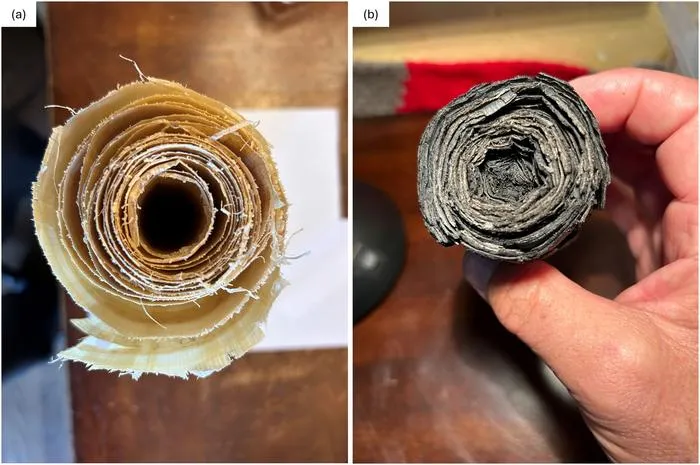
AI and X-ray Imaging Reveal Lost Texts in Ancient Roman Scrolls
AI and x-ray technology enable scientists to virtually read previously unreadable, carbonized Roman scrolls from Herculaneum.

•EurekAlert
AI’s Potential to Expand, Not Shrink, the Clinical Workforce
AI advancements may lead to more, not fewer, healthcare jobs, challenging common fears about workforce reductions in specialties like radiology.