
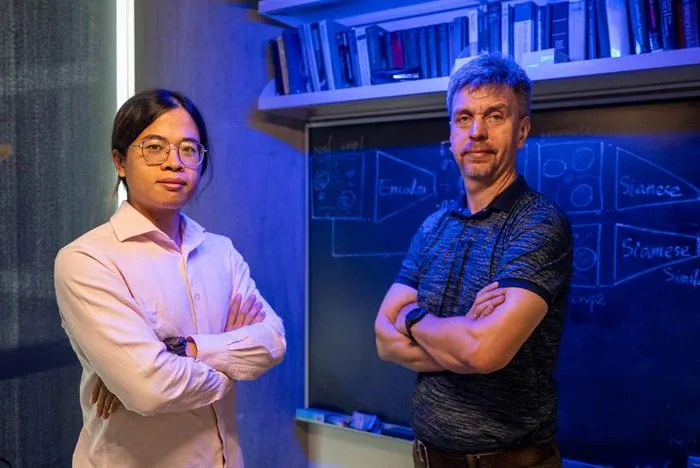
Rice University researchers engineered an AI system to reveal subtle organizational patterns in bacterial communities using time-lapse microscopy data.
Key Details
- 1Custom-built deep learning model analyzes 900+ time-lapse movies from 292 Myxococcus xanthus strains.
- 2AI encodes microscopy frames into a set of 13 quantitative descriptors to capture spatial patterns.
- 3Model achieves 80–85% accuracy predicting community aggregation outcomes from early time points.
- 4Different genetic mutations lead to distinct multicellular organizational patterns, detectable by AI.
- 5System enables direct, quantitative comparison of pattern formation across different mutants.
Why It Matters
This advance demonstrates how AI can extract rich biological insights from imaging data, identifying patterns invisible to human observers. The approach paves the way for new applications of deep learning in imaging-based phenotyping, potentially informing both basic research and medical diagnostics.

Source
EurekAlert
Related News
•EurekAlert
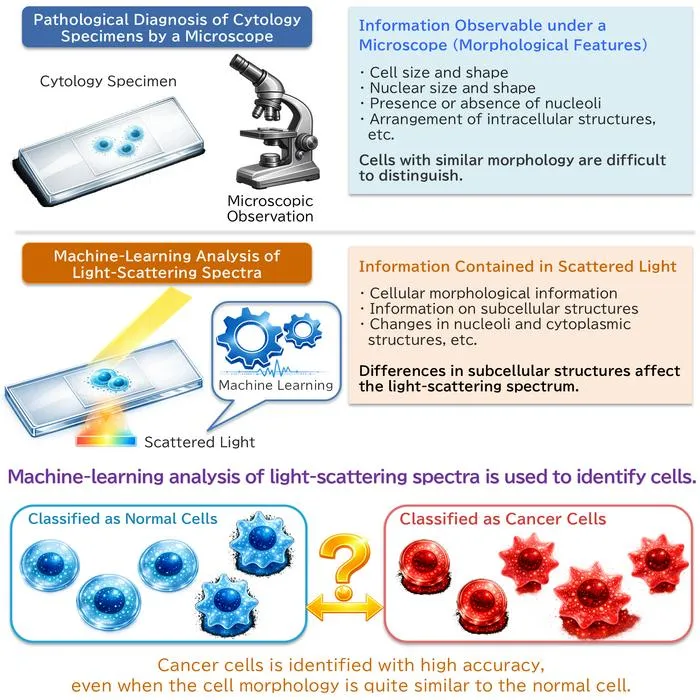
AI System Enhances Cancer Cell Detection via Light Scattering Spectra
Japanese researchers developed an AI system using light scattering spectra to improve cancer cell identification in cytology.
•EurekAlert
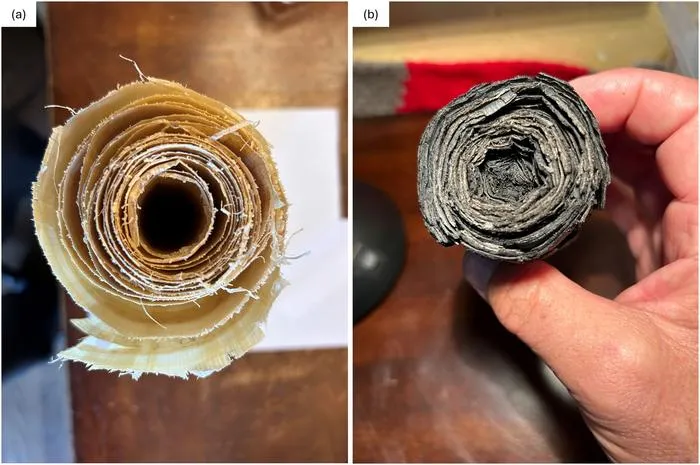
AI and X-ray Imaging Reveal Lost Texts in Ancient Roman Scrolls
AI and x-ray technology enable scientists to virtually read previously unreadable, carbonized Roman scrolls from Herculaneum.

•EurekAlert
AI’s Potential to Expand, Not Shrink, the Clinical Workforce
AI advancements may lead to more, not fewer, healthcare jobs, challenging common fears about workforce reductions in specialties like radiology.