
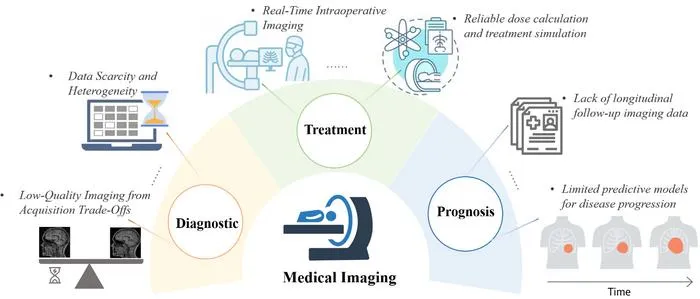
A new review analyzes the foundation, advancements, and clinical applications of generative AI techniques in medical imaging.
Key Details
- 1Discusses generative modeling methods such as GANs, VAEs, diffusion models, and Transformers in radiology.
- 2Details applications for image synthesis, enhancement, modality translation, and spatiotemporal modeling.
- 3Presents a clinic-facing framework mapping generative AI's impact from acquisition to diagnosis and prognosis.
- 4Evaluates performance using a three-level scheme: pixel-level fidelity, feature-level realism, and clinical-task relevance.
- 5Identifies deployment challenges such as data heterogeneity, hallucination risk, and regulatory and ethical constraints.
- 6Highlights future directions toward scalable, multimodal, and clinically integrated AI systems.
Why It Matters
Generative AI is rapidly reshaping medical imaging with potential to address clinical workflow gaps, improve data augmentation, and enable comprehensive, multimodal patient modeling. This review guides researchers and clinicians in evaluating technology maturity, challenges, and responsible translation to practice.

Source
EurekAlert
Related News
•EurekAlert
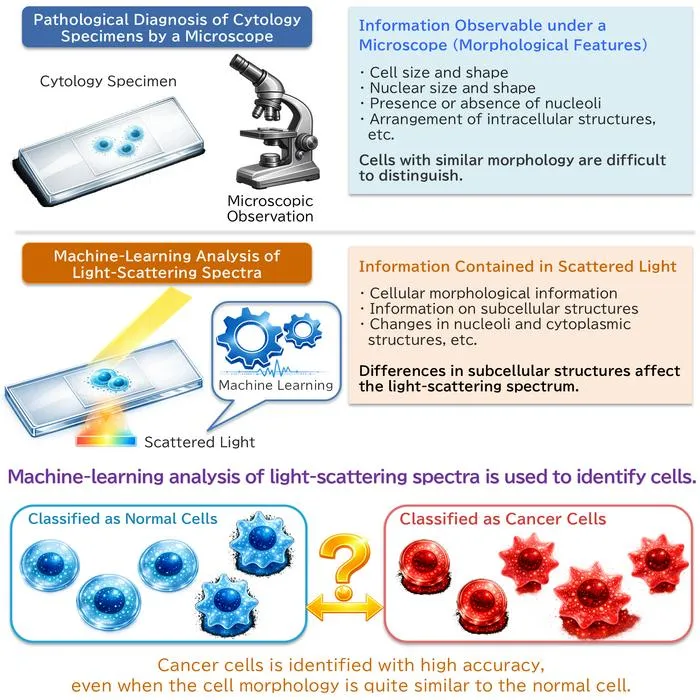
AI System Enhances Cancer Cell Detection via Light Scattering Spectra
Japanese researchers developed an AI system using light scattering spectra to improve cancer cell identification in cytology.
•EurekAlert
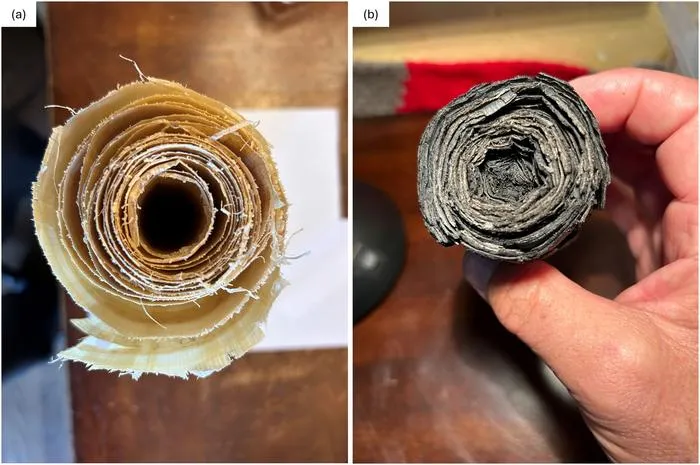
AI and X-ray Imaging Reveal Lost Texts in Ancient Roman Scrolls
AI and x-ray technology enable scientists to virtually read previously unreadable, carbonized Roman scrolls from Herculaneum.
•EurekAlert
AI’s Potential to Expand, Not Shrink, the Clinical Workforce
AI advancements may lead to more, not fewer, healthcare jobs, challenging common fears about workforce reductions in specialties like radiology.