
Boston University scientists developed an AI model that predicts Alzheimer's-related protein levels using brain imaging and clinical data.
Key Details
- 1AI tool predicts presence of amyloid beta and tau proteins linked to Alzheimer's disease.
- 2Model incorporates brain scans, cognitive scores, genetics, and health history from 12,185 participants across seven cohorts.
- 3Tool provides location-specific brain information, unlike most blood tests.
- 4Successfully validated on a separate international cohort, showing robust predictive performance.
- 5Aims to enable earlier, cheaper, and more accessible Alzheimer's detection and staging.
- 6Published in Nature Communications on August 11, 2025.
Why It Matters
Accurate, cost-effective early detection of Alzheimer's using non-invasive imaging and AI could transform patient care and expedite selection for clinical trials. This approach highlights the expanding role of imaging AI in neurological disease diagnosis and management.

Source
EurekAlert
Related News
•EurekAlert
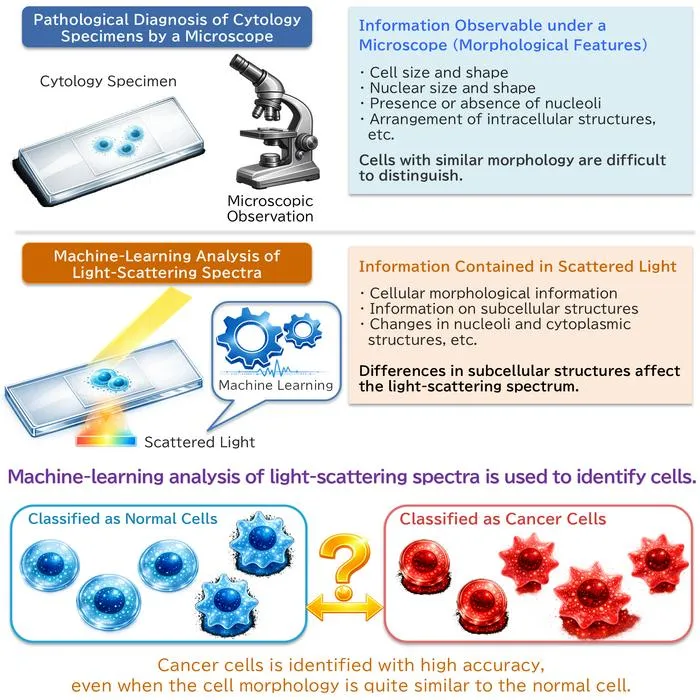
AI System Enhances Cancer Cell Detection via Light Scattering Spectra
Japanese researchers developed an AI system using light scattering spectra to improve cancer cell identification in cytology.
•EurekAlert
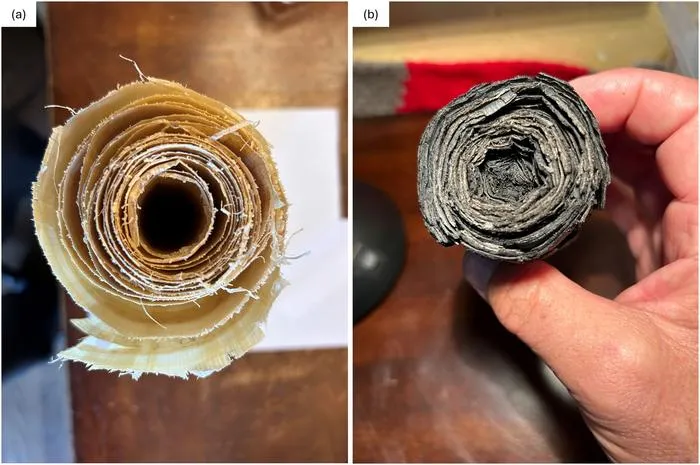
AI and X-ray Imaging Reveal Lost Texts in Ancient Roman Scrolls
AI and x-ray technology enable scientists to virtually read previously unreadable, carbonized Roman scrolls from Herculaneum.

•EurekAlert
AI’s Potential to Expand, Not Shrink, the Clinical Workforce
AI advancements may lead to more, not fewer, healthcare jobs, challenging common fears about workforce reductions in specialties like radiology.