
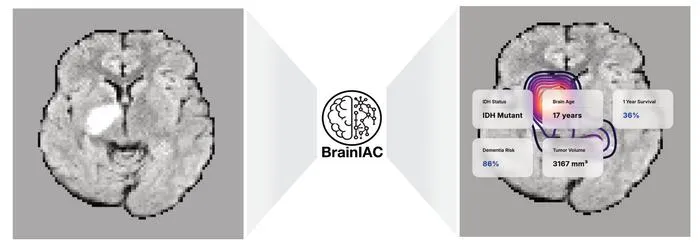
BrainIAC, a new foundation model from Mass General Brigham, outperforms traditional AI approaches in analyzing brain MRI for tasks like brain age estimation and cancer prognosis.
Key Details
- 1BrainIAC was pretrained on nearly 49,000 brain MRI scans using self-supervised learning.
- 2Validated across seven diverse clinical MRI tasks, including brain age, dementia risk, tumor mutation detection, and survival prediction.
- 3Outperformed three conventional, task-specific AI models, especially in scenarios with limited labeled data.
- 4Demonstrated strong generalizability across healthy and diseased cases as well as different MRI types.
- 5Study published in Nature Neuroscience, developed by Mass General Brigham, and funded by NIH/NCI among others.
Why It Matters
This work introduces a flexible, generalizable AI tool that could streamline the adoption of imaging AI in clinical practice, particularly where annotated data is limited. BrainIAC's ability to perform well across a range of complex imaging tasks may help accelerate personalized medicine and clinical decision making in neuroradiology.

Source
EurekAlert
Related News
•EurekAlert
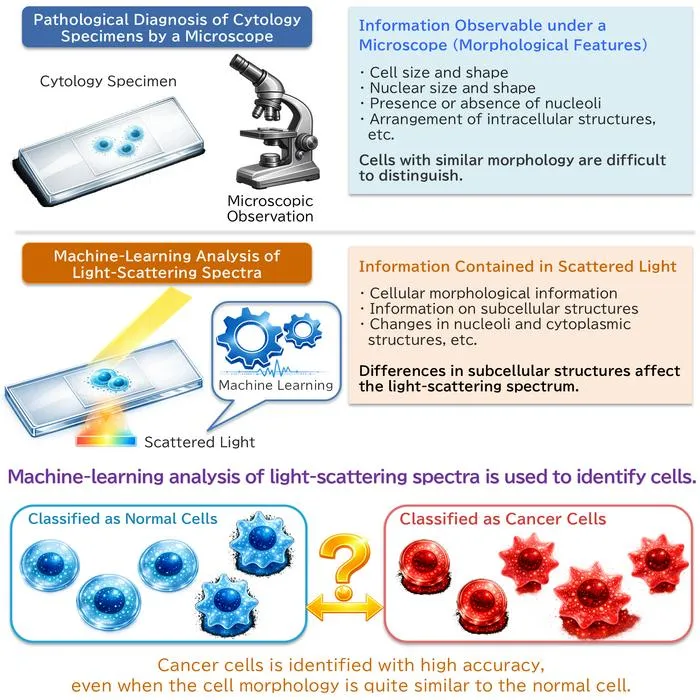
AI System Enhances Cancer Cell Detection via Light Scattering Spectra
Japanese researchers developed an AI system using light scattering spectra to improve cancer cell identification in cytology.
•EurekAlert
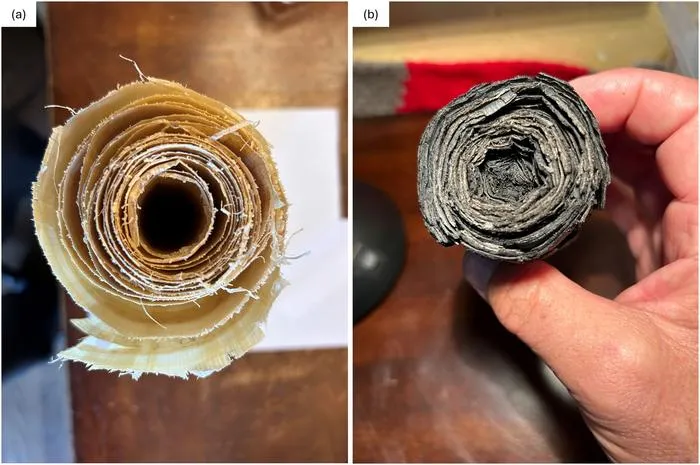
AI and X-ray Imaging Reveal Lost Texts in Ancient Roman Scrolls
AI and x-ray technology enable scientists to virtually read previously unreadable, carbonized Roman scrolls from Herculaneum.

•EurekAlert
AI’s Potential to Expand, Not Shrink, the Clinical Workforce
AI advancements may lead to more, not fewer, healthcare jobs, challenging common fears about workforce reductions in specialties like radiology.