
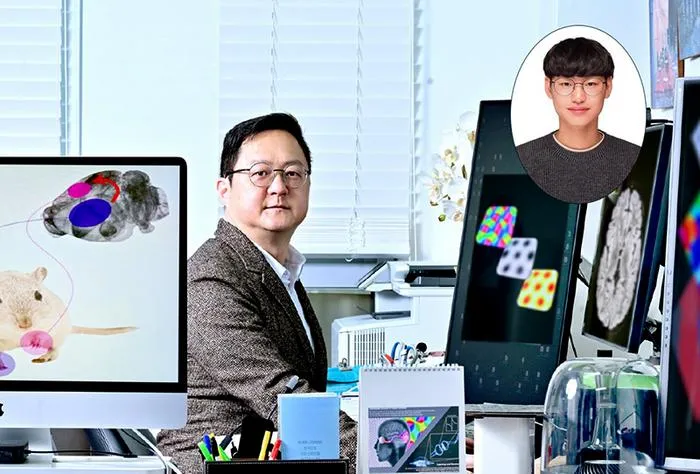
KAIST researchers developed a brain-inspired AI training method that reduces overconfidence and improves the recognition of unfamiliar data.
Key Details
- 1KAIST research team identified random initialization in neural networks as a source of AI overconfidence.
- 2A 'warm-up' phase with random noise pre-training was introduced, aligning AI initial confidence to a chance level.
- 3This approach helps AI models better align prediction accuracy and confidence and improves performance on out-of-distribution data.
- 4Models using this technique more effectively identify when they do not know an answer, reducing erroneous overconfident outputs.
- 5Technology is highlighted as valuable for high-reliability applications like medical AI and is broadly applicable to deep learning initialization.
- 6Findings published in 'Nature Machine Intelligence' on April 9, 2026.
Why It Matters
Overconfidence in AI poses risks in clinical diagnosis, where erroneous predictions can have serious implications. This approach could significantly improve trustworthiness and safety in imaging AI workflows by helping systems communicate uncertainty more effectively.

Source
EurekAlert
Related News
•EurekAlert
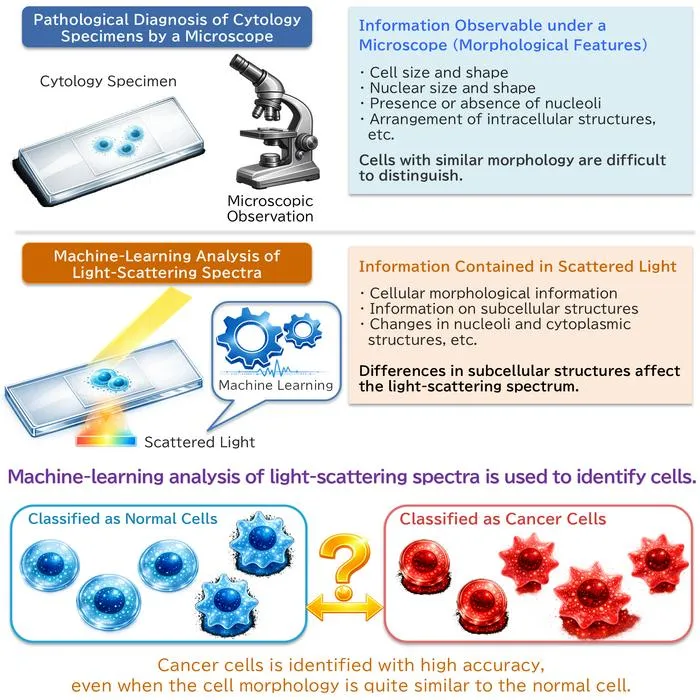
AI System Enhances Cancer Cell Detection via Light Scattering Spectra
Japanese researchers developed an AI system using light scattering spectra to improve cancer cell identification in cytology.
•EurekAlert
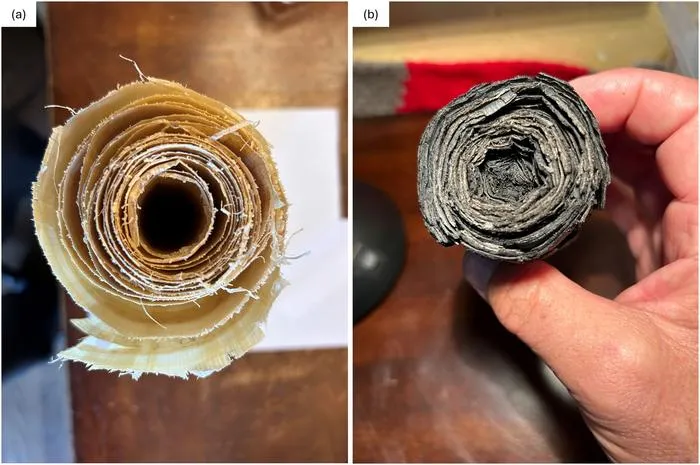
AI and X-ray Imaging Reveal Lost Texts in Ancient Roman Scrolls
AI and x-ray technology enable scientists to virtually read previously unreadable, carbonized Roman scrolls from Herculaneum.

•EurekAlert
AI’s Potential to Expand, Not Shrink, the Clinical Workforce
AI advancements may lead to more, not fewer, healthcare jobs, challenging common fears about workforce reductions in specialties like radiology.