
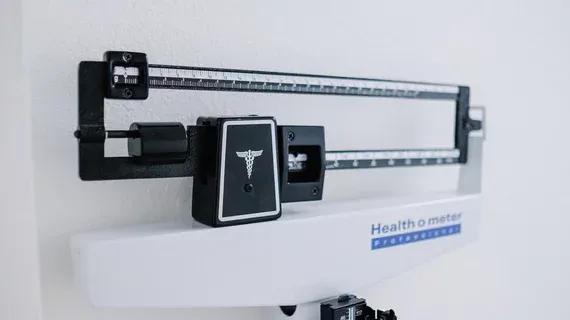
New research demonstrates that high BMI negatively impacts both human and AI performance in chest low-dose CT interpretation, highlighting dataset diversity concerns.
Key Details
- 1Higher BMI leads to increased image noise and reduced CT scan quality, especially in low-dose protocols.
- 2Many AI models lack diverse training data reflecting a broad range of BMIs.
- 3Study compared top 1.5% highest and lowest BMI patients using chest LDCT scans from the Lifelines cohort.
- 4AI and human readers both showed impacted nodule detection sensitivity and false positive rates at extreme BMIs.
- 5Evaluation was performed by two expert chest radiologists.
Why It Matters
This study exposes a critical blind spot in radiology AI—model performance can deteriorate for patients at BMI extremes due to suboptimal imaging and lack of representativeness in training datasets. Ensuring AI equity and reliability in clinical practice requires addressing these biases.
Source
Health Imaging
Related News
•Radiology Business
Real-World Study: Radiology AI Best in Emergency and Inpatient Settings
A commercial AI tool for intracranial aneurysm detection outperformed in inpatient and emergency settings but yielded limited benefits for outpatients in a major health system study.

•Radiology Business
New Rubric Enhances Safety of AI-Generated Radiology Summaries
Researchers developed a five-factor rubric to assess the safety and quality of AI-generated, patient-friendly radiology report summaries.

•Radiology Business
Healthcare Leader Warns AI Will Dominate Diagnostic Radiology
A leading oncologist urges future radiologists to specialize in interventional procedures due to AI advances in image interpretation.