
AI advancements may lead to more, not fewer, healthcare jobs, challenging common fears about workforce reductions in specialties like radiology.
Key Details
- 1An article in NEJM asserts that AI adoption could expand the clinical workforce, not diminish it.
- 2Concerns exist about job losses in exposed specialties such as radiology, pathology, and psychiatry.
- 3Economic theory and past healthcare technology suggest increased efficiency leads to greater service demand.
- 4Examples include cataract surgery and joint replacement, where innovation increased procedure volume.
- 5AI may create new professional roles and specializations within healthcare.
- 6Critical clinical oversight will remain essential due to safety and trust concerns (O-ring theory).
Why It Matters
This reframes concerns about AI replacing radiologists or other clinicians, suggesting instead that AI could foster new subspecialties, increase demand for clinical oversight, and drive workforce growth rather than contraction.

Source
EurekAlert
Related News
•EurekAlert
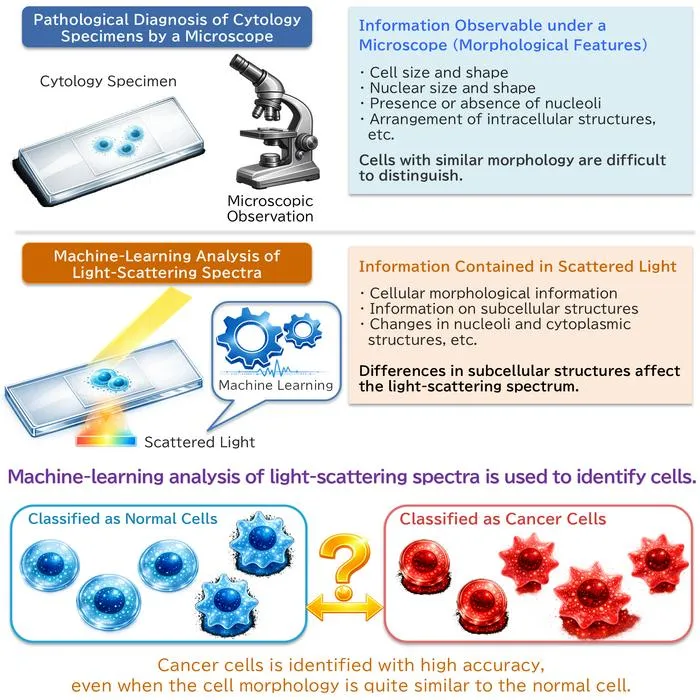
AI System Enhances Cancer Cell Detection via Light Scattering Spectra
Japanese researchers developed an AI system using light scattering spectra to improve cancer cell identification in cytology.
•EurekAlert
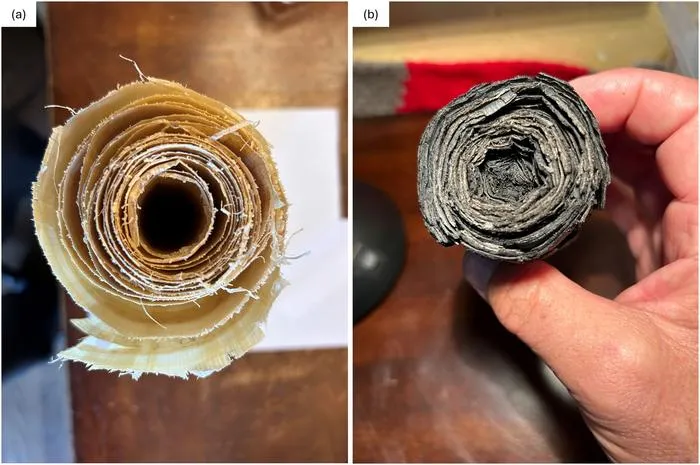
AI and X-ray Imaging Reveal Lost Texts in Ancient Roman Scrolls
AI and x-ray technology enable scientists to virtually read previously unreadable, carbonized Roman scrolls from Herculaneum.

•EurekAlert
NYU AI Model Improves 5-Year Breast Cancer Risk Prediction via 3D Mammograms
NYU researchers developed an AI model using longitudinal 3D mammograms that outperforms single-scan and 2D-based tools in predicting 5-year breast cancer risk.