
Deployment of an AI-driven breast cancer screening workflow improved detection rates while maintaining equity across racial and breast density subgroups.
Key Details
- 1Study analyzed 208,891 AI-assisted and 370,692 standard-of-care cases across 109 US sites and 96 radiologists.
- 2AI workflow increased cancer detection rate from 4.6 to 5 per 1,000 exams (p=0.001).
- 3Recall rate rose from 10.6% to 11.1% (p=0.015), and PPV from 4.4% to 5% (p=0.001).
- 4Cancer detection rate improvement between 20.4% and 22.7% reported.
- 5No disparities observed in outcomes across different racial or breast density subpopulations.
- 6Workflow is compatible with digital breast tomosynthesis (DBT).
Why It Matters
This demonstration of increased detection and equitable outcomes supports real-world integration of AI in breast cancer screening, addressing longstanding concerns about algorithmic bias. The findings encourage wider clinical adoption to improve patient care and reduce diagnostic disparities.

Source
AuntMinnie
Related News
•Radiology Business
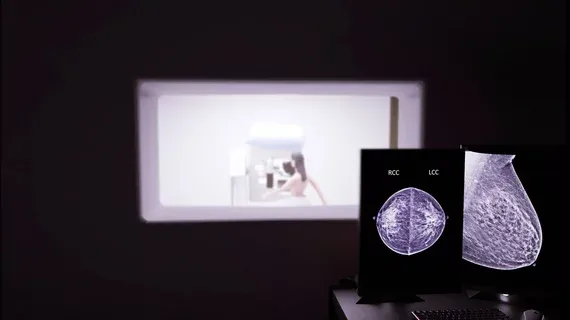
New AI Flags Uncertainty in Breast Cancer Imaging Predictions
University of Pittsburgh researchers developed an AI model that quantifies uncertainty in breast cancer diagnostic predictions to enhance trustworthiness.
•Cardiovascular Business
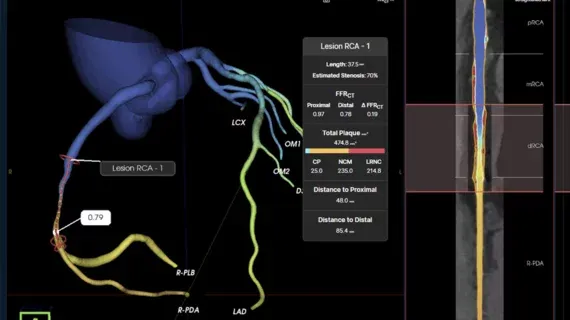
FDA Clears Elucid's AI-Driven FFR-CT Solution for Cardiac Imaging
Elucid's FFR-IQ, an AI-powered noninvasive FFR-CT tool, receives FDA clearance for clinical use.

•Radiology Business
FDA Approves SimBioSys AI Tool for Breast Cancer Risk via MRI
SimBioSys received FDA clearance for TumorSight Risk, an AI tool assessing breast cancer recurrence risk using MRI.