

Artificial intelligence is increasingly enabling earlier detection and improved prediction of kidney disease progression by leveraging complex clinical and imaging data.
Key Details
- 1AI models are used to estimate risks and predict outcomes in nephrology, moving beyond traditional parameter-based diagnosis.
- 2Classical machine learning models excel at structured clinical data, while deep neural networks analyze more complex data like medical images (e.g., histopathology).
- 3Integrating AI with proteomics and metabolomics allows detection of early molecular changes, ahead of symptom onset or standard test abnormalities.
- 4Clinical utility and interpretability of AI models are emphasized as more important than complexity.
- 5The article highlights AI’s role as a clinical support tool, maintaining the physician's central decision-making role.
Why It Matters
AI’s adoption in nephrology, especially for image and molecular data analysis, could enable radiologists and clinical teams to identify and manage kidney disease earlier and more specifically. Early intervention and precision prognostics benefit both patient outcomes and healthcare efficiency.

Source
EurekAlert
Related News
•EurekAlert
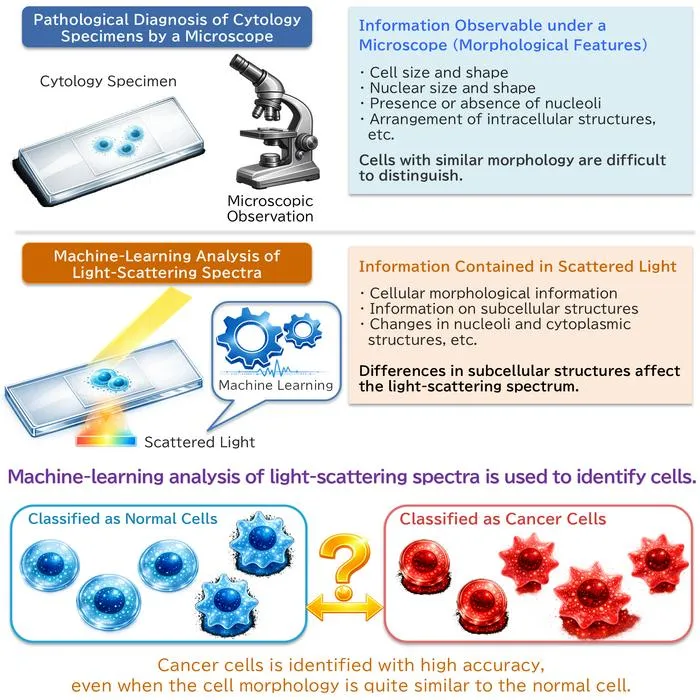
AI System Enhances Cancer Cell Detection via Light Scattering Spectra
Japanese researchers developed an AI system using light scattering spectra to improve cancer cell identification in cytology.
•EurekAlert
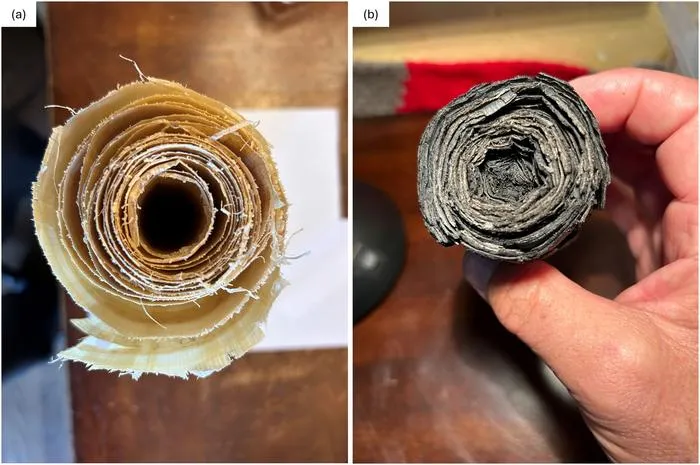
AI and X-ray Imaging Reveal Lost Texts in Ancient Roman Scrolls
AI and x-ray technology enable scientists to virtually read previously unreadable, carbonized Roman scrolls from Herculaneum.

•EurekAlert
AI’s Potential to Expand, Not Shrink, the Clinical Workforce
AI advancements may lead to more, not fewer, healthcare jobs, challenging common fears about workforce reductions in specialties like radiology.