
UCL researchers developed an AI that analyzes biopsy slides to identify rectal cancer patients who benefit from adding irinotecan to standard chemoradiotherapy.
Key Details
- 1AI stratified patients by tumor cell density on diagnostic biopsy slides in a post-hoc ARISTOTLE phase III trial analysis (n=414).
- 2Adding irinotecan reduced recurrence by 43% and death by 50% over 5 years in high-tumor-cell-density cases; no benefit in low-density cases.
- 3AI tool ('Octopath') enables rapid, large-scale analysis of digital pathology slides.
- 4Manual quantification was previously impractical for large studies; automation enables scalable, individualized treatment decisions.
- 5Further verification and studies are needed before clinical deployment.
Why It Matters
AI-driven analysis of biopsy pathology can enable more precise, personalized cancer therapy selection, sparing patients from unnecessary side effects and improving survival. This study underscores AI's value in digital pathology for oncology decision-making.

Source
EurekAlert
Related News
•EurekAlert
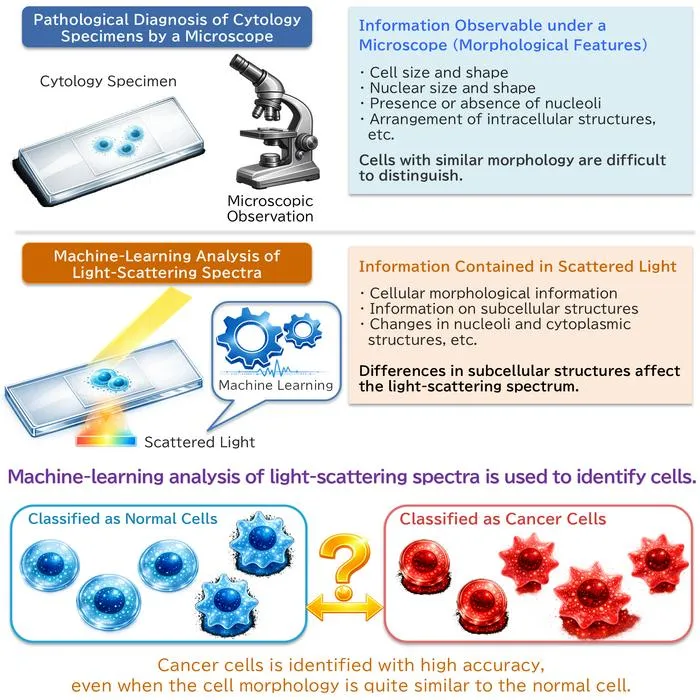
AI System Enhances Cancer Cell Detection via Light Scattering Spectra
Japanese researchers developed an AI system using light scattering spectra to improve cancer cell identification in cytology.
•EurekAlert
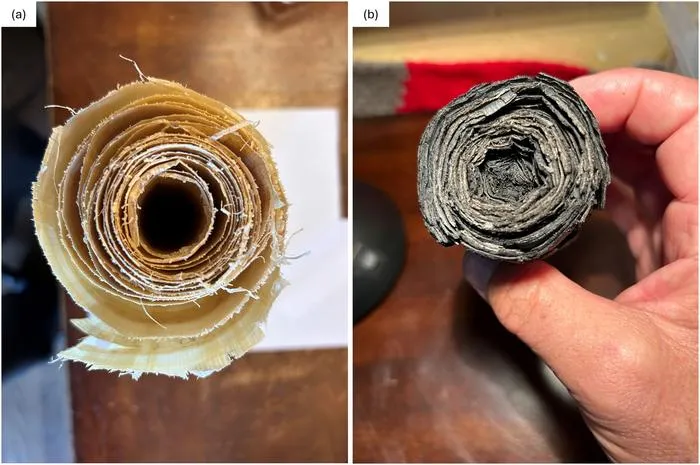
AI and X-ray Imaging Reveal Lost Texts in Ancient Roman Scrolls
AI and x-ray technology enable scientists to virtually read previously unreadable, carbonized Roman scrolls from Herculaneum.

•EurekAlert
AI’s Potential to Expand, Not Shrink, the Clinical Workforce
AI advancements may lead to more, not fewer, healthcare jobs, challenging common fears about workforce reductions in specialties like radiology.