

University of Leicester researchers have developed ONCO-ACS, an AI-powered model to predict mortality, bleeding, and ischaemic events in cancer patients after heart attacks.
Key Details
- 1ONCO-ACS is an AI model combining cancer-related and standard clinical data to predict death, bleeding, or cardiovascular events within six months post-heart attack.
- 2The study analyzed data from over 1 million heart attack patients, including more than 47,000 with cancer, from England, Sweden, and Switzerland.
- 3Results showed nearly one in three cancer patients died within six months, one in 14 suffered major bleeding, and one in six had another cardiovascular event.
- 4The model is published in The Lancet and funded by Cancer Research UK and the British Heart Foundation.
- 5The tool aims to guide personalized treatment decisions and design future trials for this complex patient group.
Why It Matters
This model addresses a significant clinical gap by offering tailored risk assessment for cancer patients post-heart attack, a group with limited guidance so far. Its real-world data approach and integration potential could improve patient outcomes and inform more precise treatment strategies.

Source
EurekAlert
Related News
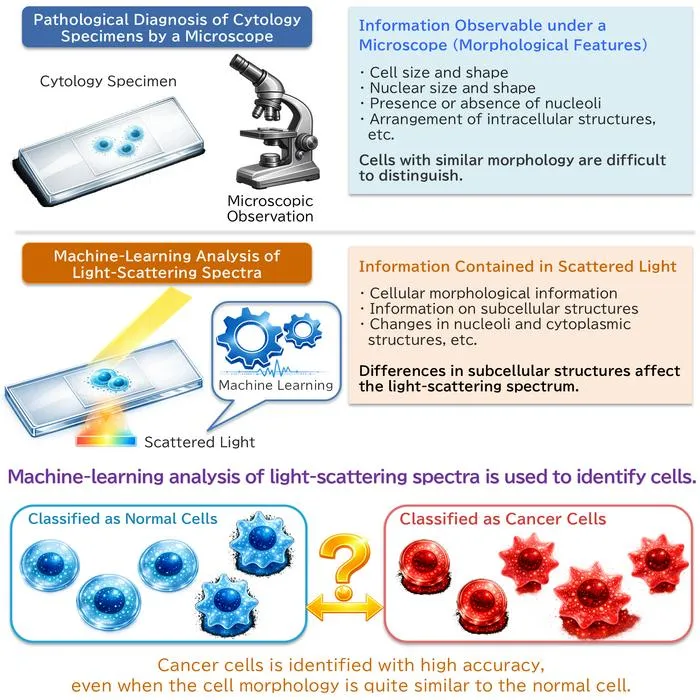
•EurekAlert
AI System Enhances Cancer Cell Detection via Light Scattering Spectra
Japanese researchers developed an AI system using light scattering spectra to improve cancer cell identification in cytology.
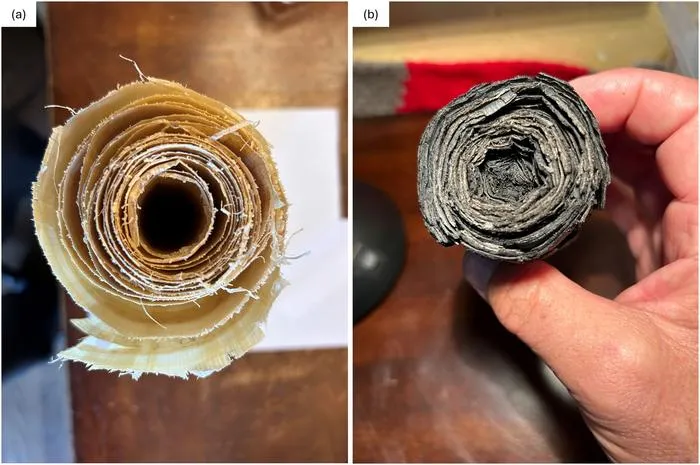
•EurekAlert
AI and X-ray Imaging Reveal Lost Texts in Ancient Roman Scrolls
AI and x-ray technology enable scientists to virtually read previously unreadable, carbonized Roman scrolls from Herculaneum.
•EurekAlert
AI’s Potential to Expand, Not Shrink, the Clinical Workforce
AI advancements may lead to more, not fewer, healthcare jobs, challenging common fears about workforce reductions in specialties like radiology.