
UCLA researchers developed an AI model using EHR data to better detect undiagnosed Alzheimer's disease, especially in underrepresented groups.
Key Details
- 1The AI leverages semi-supervised positive unlabeled learning to identify probable Alzheimer's cases from electronic health records (EHRs).
- 2Tested on data from over 97,000 UCLA Health patients across multiple ethnic groups.
- 3Achieved 77–81% sensitivity in various populations compared to 39–53% for traditional models.
- 4Model validation included polygenic risk scores (APOE ε4 allele), supporting accuracy of predictions.
- 5Tool addresses underdiagnosis, which especially affects African American and Hispanic/Latino communities.
- 6Planned prospective validation in other health systems; patent application filed for framework.
Why It Matters
AI-driven detection of undiagnosed Alzheimer's may support earlier intervention, which is critical as new treatments emerge. Importantly, this model addresses equity concerns by reducing diagnostic bias across diverse populations, a key consideration for both clinical and AI application in healthcare.

Source
EurekAlert
Related News
•EurekAlert
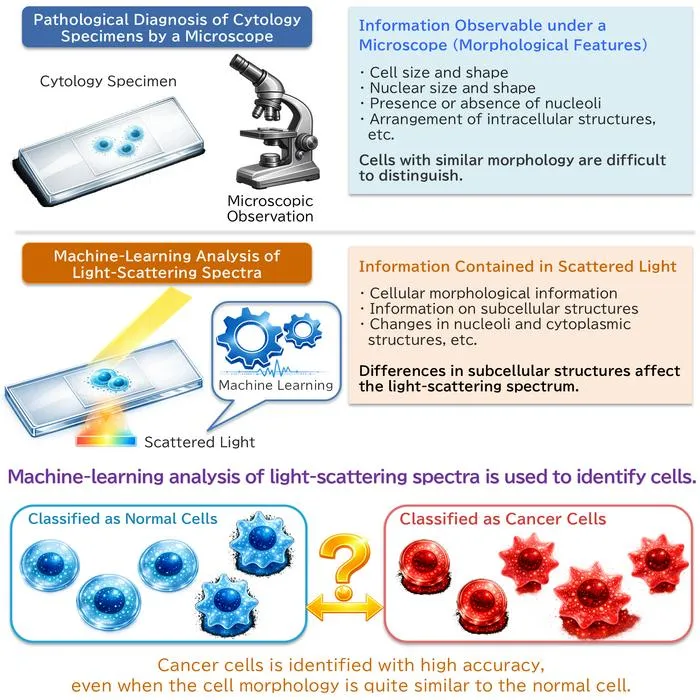
AI System Enhances Cancer Cell Detection via Light Scattering Spectra
Japanese researchers developed an AI system using light scattering spectra to improve cancer cell identification in cytology.
•EurekAlert
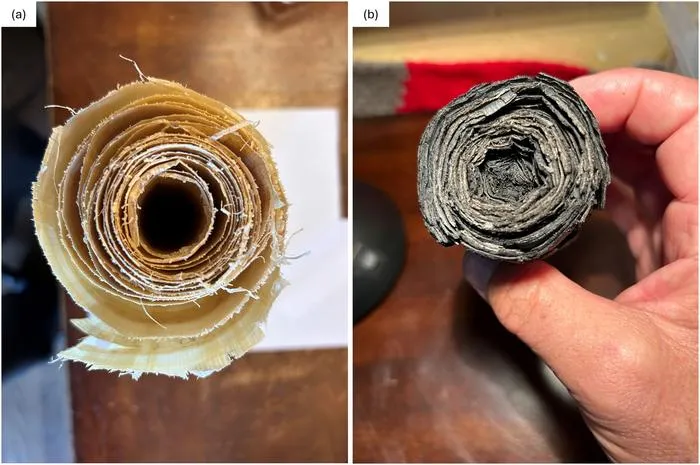
AI and X-ray Imaging Reveal Lost Texts in Ancient Roman Scrolls
AI and x-ray technology enable scientists to virtually read previously unreadable, carbonized Roman scrolls from Herculaneum.

•EurekAlert
AI’s Potential to Expand, Not Shrink, the Clinical Workforce
AI advancements may lead to more, not fewer, healthcare jobs, challenging common fears about workforce reductions in specialties like radiology.