
A large language model-based AI system deployed at Cleveland Clinic effectively identified diverse, eligible participants for a rare disease clinical trial through EMR screening.
Key Details
- 1Cleveland Clinic and Dyania Health used an AI system (Synapsis AI) to pre-screen for a Phase 3 trial in transthyretin amyloid cardiomyopathy (ATTR-CM).
- 2In one week, the AI reviewed 1,476 records and identified 46 potential matches; 29/30 AI-identified matches were missed by traditional methods.
- 3The AI achieved 96.2% accuracy for 7,700 trial-specific questions and a 99% negative predictive value (NPV) in excluding ineligible patients.
- 4AI-assisted recruitment led to a more diverse patient cohort, with 36.6% Black participants versus 7.1% via routine screening.
- 5Only 60% of AI-identified patients had heart failure specialist care, versus 92.8% found by traditional methods, showing improved outreach.
- 6The system used both structured EMR data and NLP to analyze clinical notes and provided auditable inclusion/exclusion justifications.
Why It Matters
This study showcases the potential of AI-driven EMR review to increase trial enrollment efficiency and address disparities by identifying qualified participants who might otherwise be overlooked, particularly in underrepresented groups. It underlines how imaging and clinical AI advancements are intersecting with research recruitment and population health strategies.

Source
EurekAlert
Related News
•EurekAlert
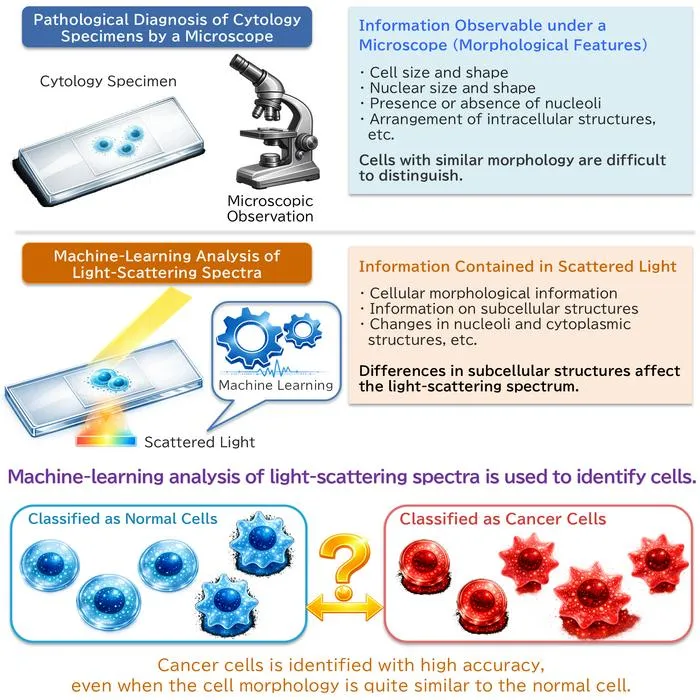
AI System Enhances Cancer Cell Detection via Light Scattering Spectra
Japanese researchers developed an AI system using light scattering spectra to improve cancer cell identification in cytology.
•EurekAlert
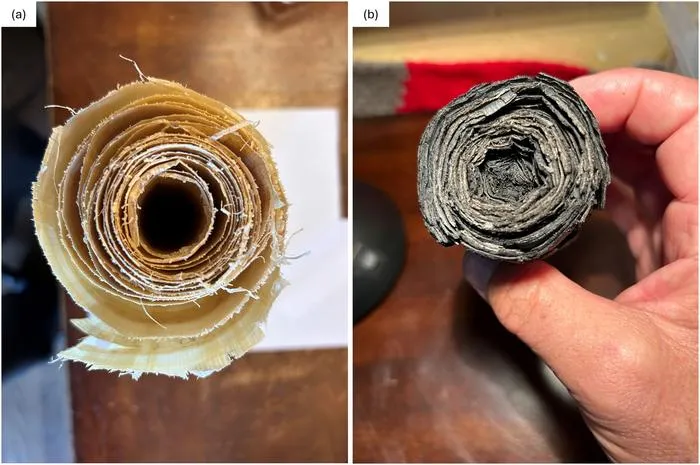
AI and X-ray Imaging Reveal Lost Texts in Ancient Roman Scrolls
AI and x-ray technology enable scientists to virtually read previously unreadable, carbonized Roman scrolls from Herculaneum.

•EurekAlert
NYU AI Model Improves 5-Year Breast Cancer Risk Prediction via 3D Mammograms
NYU researchers developed an AI model using longitudinal 3D mammograms that outperforms single-scan and 2D-based tools in predicting 5-year breast cancer risk.