
AI-supported mammography screening reduces advanced breast cancer rates and improves early detection, according to the largest randomized controlled trial to date.
Key Details
- 1Over 100,000 Swedish women were randomized to AI-supported vs. standard double-reading mammography screening.
- 2AI-supported screening resulted in a 12% reduction in interval (between-screening) breast cancer diagnoses.
- 316% fewer invasive, 21% fewer large, and 27% fewer aggressive subtype cancers were identified in the AI arm.
- 481% of cancers were detected at screening with AI, versus 74% in the control group—a 9% increase.
- 5False positive rates were similar between groups (1.5% AI, 1.4% control), and radiologist workload was reduced by 44% in interim analyses.
- 6The study supports use of tested AI tools as an aid—not a replacement—for radiologists, especially amid workforce shortages.
Why It Matters
This landmark trial shows substantial clinical benefit and workflow relief from using AI in breast cancer screening, supporting adoption in radiology programs facing growing patient volumes and staff shortages. The findings may shape future screening guidelines and training requirements for imaging AI use.

Source
EurekAlert
Related News
•EurekAlert
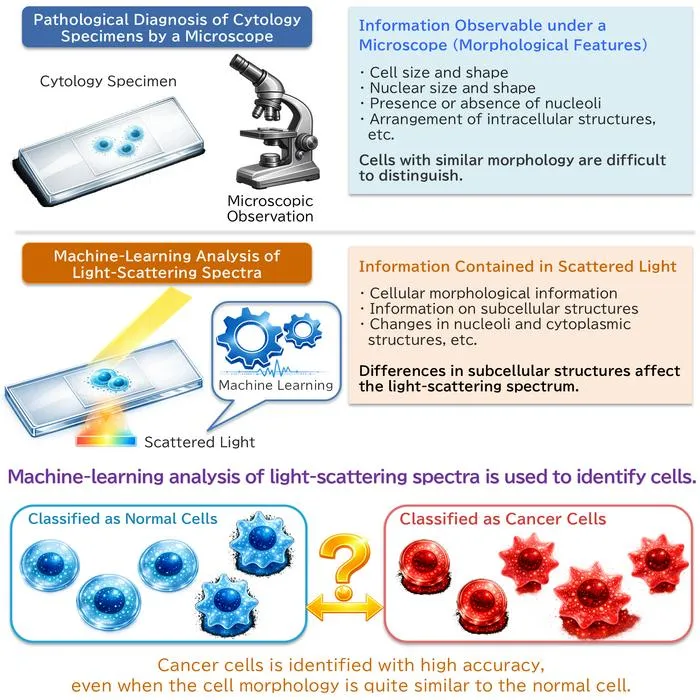
AI System Enhances Cancer Cell Detection via Light Scattering Spectra
Japanese researchers developed an AI system using light scattering spectra to improve cancer cell identification in cytology.
•EurekAlert
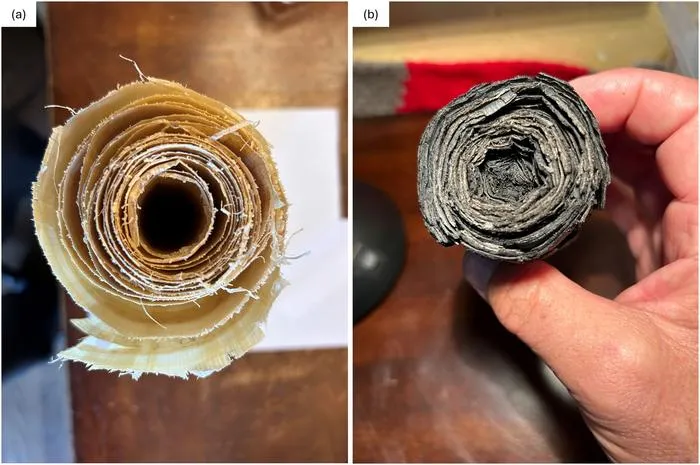
AI and X-ray Imaging Reveal Lost Texts in Ancient Roman Scrolls
AI and x-ray technology enable scientists to virtually read previously unreadable, carbonized Roman scrolls from Herculaneum.
•EurekAlert
NYU AI Model Improves 5-Year Breast Cancer Risk Prediction via 3D Mammograms
NYU researchers developed an AI model using longitudinal 3D mammograms that outperforms single-scan and 2D-based tools in predicting 5-year breast cancer risk.