
AI-driven text simplification significantly improves cancer patients' comprehension of CT scan reports.
Key Details
- 1Prospective controlled trial at TUM included 200 cancer patients undergoing CT imaging.
- 2Half received original reports; half got AI-simplified versions using a local large language model.
- 3Patients with simplified reports had reduced reading time (from 7 to 2 minutes).
- 4Comprehension ratings: 81% found simplified reports easy to read versus 17% with originals; 80% easier to understand (vs 9%).
- 5Incidence of AI factual errors was 6%; omissions 7%; additions 3%, but all reports were reviewed and corrected by radiologists.
- 6Study published in 'Radiology' (DOI: 10.1148/radiol.251844).
Why It Matters
AI simplification can greatly enhance patient empowerment and health literacy by making complex radiology findings accessible. However, human oversight remains essential to prevent misinformation, highlighting the need for secure and clinically integrated AI solutions.

Source
EurekAlert
Related News

•EurekAlert
AI Highlights Importance of Thymus Protection During Lung Cancer Radiotherapy
AI analysis reveals that radiation exposure to the thymus during lung cancer treatment may worsen patient outcomes.
•EurekAlert
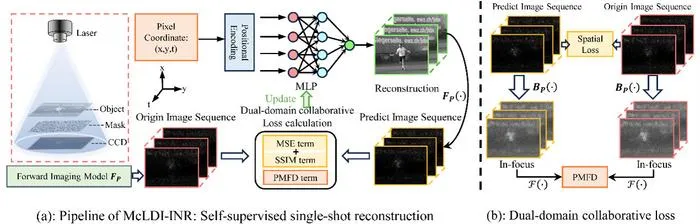
Deep Learning Enables Single-Shot High-Resolution Lensless Dynamic Imaging
Researchers from NJU and PKU have developed a lensless imaging method using deep learning that reconstructs high-fidelity dynamic images from single shots.

•EurekAlert
Weill Cornell Launches AI and Data Science Biomedicine Department Led by Dr. Dan Landau
Weill Cornell Medicine establishes a new Department of Systems and Computational Biomedicine, appointing Dr. Dan Landau as its first chair to drive AI-powered biomedical innovation.