
The 2025 NFCR Global Summit spotlighted AI's expanding impact from cancer research to patient care, with experts highlighting breakthroughs in imaging, pathology, and multi-modal analytics.
Key Details
- 1The summit was held October 24, 2025, convening leaders in oncology, technology, and biomedical innovation.
- 2Key sessions addressed AI-driven advances in digital pathology, radiology analytics, molecular avatars, and digital twins for personalized treatments.
- 3Speakers emphasized the importance of high-quality data, diversity, and the need for responsible deployment of AI tools.
- 4Panels explored AI for early detection, risk prediction using multi-modal data, and 'uncertainty-aware' diagnostic algorithms.
- 5Regulatory and ethical challenges were discussed, with calls for collaboration and establishing robust guardrails for responsible AI use.
- 6The human touch in cancer care was repeatedly emphasized—AI as an augmentation rather than a replacement for clinician judgment.
Why It Matters
With AI shaping detection, diagnosis, and treatment pathways in oncology—including in radiology and imaging analytics—this summit reflects the field's urgent need to balance technological potential with ethical, societal, and patient-centered considerations.

Source
EurekAlert
Related News

•EurekAlert
AI Detects Hypertension and Diabetes from 5-Second Facial Videos
A machine-learning algorithm can accurately screen for hypertension and diabetes using brief facial video recordings, offering a contactless diagnostic option.
•EurekAlert
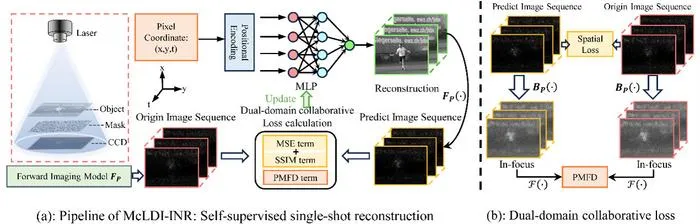
Deep Learning Enables Single-Shot High-Resolution Lensless Dynamic Imaging
Researchers from NJU and PKU have developed a lensless imaging method using deep learning that reconstructs high-fidelity dynamic images from single shots.
•EurekAlert
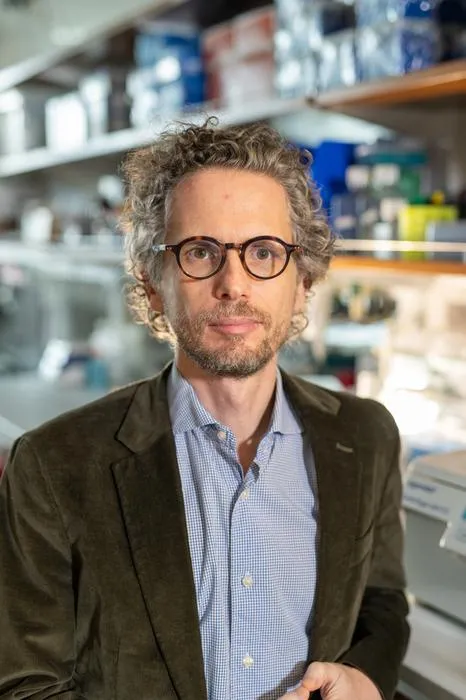
Weill Cornell Launches AI and Data Science Biomedicine Department Led by Dr. Dan Landau
Weill Cornell Medicine establishes a new Department of Systems and Computational Biomedicine, appointing Dr. Dan Landau as its first chair to drive AI-powered biomedical innovation.