
AI algorithms can extract bone density data from routine CT scans to identify osteoporosis, enabling opportunistic screening.
Key Details
- 1NYU Langone Health and Visage developed an AI tool to analyze CT scans for bone loss indicators.
- 2Study used over 538,000 CT scans from 283,499 patients, covering multiple anatomical regions and CT machine models.
- 3Bone mineral density measurements accounted for age, gender, and race/ethnicity, revealing population trends.
- 4AI-based opportunistic screening could double osteoporosis testing rates and save over $2.5 billion annually in Medicare costs.
- 5Clinical trial is planned at NYU Langone Health for AI-based osteoporosis detection using existing CT images.
Why It Matters
This work demonstrates the practical value of applying AI to existing imaging data, potentially identifying millions of undiagnosed osteoporosis patients and reducing healthcare costs through earlier intervention. It exemplifies the expanding role of AI in repurposing radiology data for broader disease screening.

Source
EurekAlert
Related News
•EurekAlert
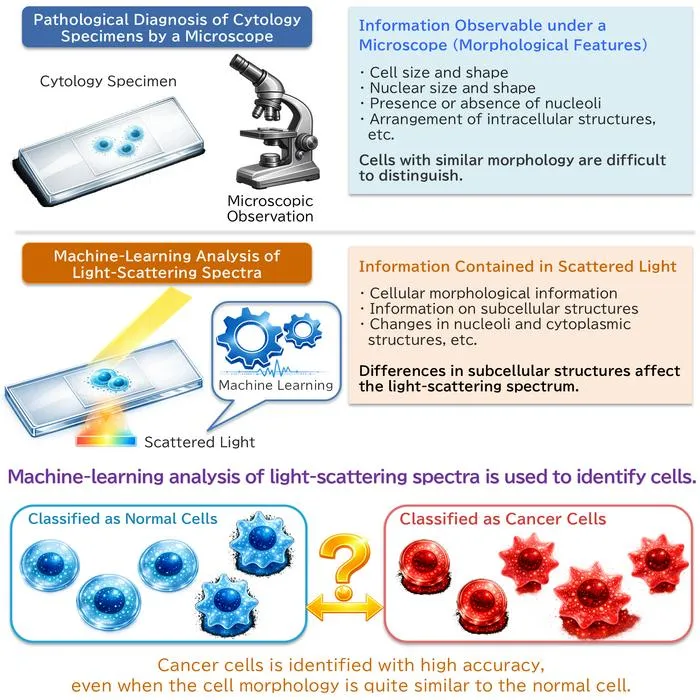
AI System Enhances Cancer Cell Detection via Light Scattering Spectra
Japanese researchers developed an AI system using light scattering spectra to improve cancer cell identification in cytology.
•EurekAlert
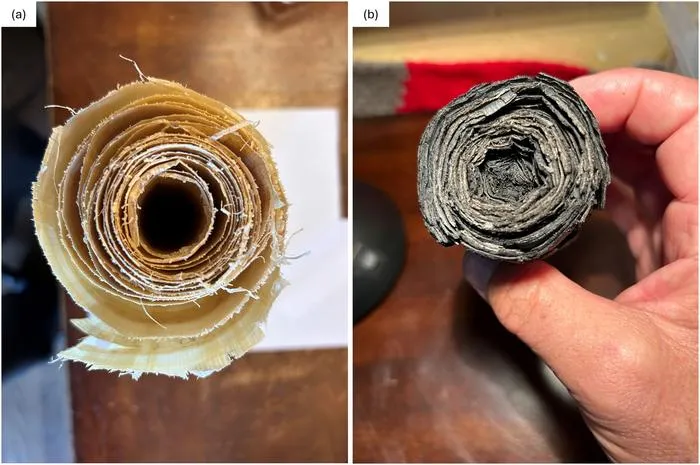
AI and X-ray Imaging Reveal Lost Texts in Ancient Roman Scrolls
AI and x-ray technology enable scientists to virtually read previously unreadable, carbonized Roman scrolls from Herculaneum.

•EurekAlert
AI’s Potential to Expand, Not Shrink, the Clinical Workforce
AI advancements may lead to more, not fewer, healthcare jobs, challenging common fears about workforce reductions in specialties like radiology.