
Researchers use machine learning to predict adverse events during stem cell therapy for multiple myeloma, improving outpatient safety.
Key Details
- 1Researchers analyzed data from 109 multiple myeloma patients undergoing stem cell mobilization.
- 2Machine learning models identified time periods with low risk for serious side effects during therapy.
- 3Models could accurately predict the timing and occurrence of certain side effects in individual patients.
- 4Enables more patients to safely undergo chemotherapy and stem cell mobilization as outpatients.
- 5Outpatient treatment improves quality of life and allows for better hospital resource management.
- 6Findings published in npj Digital Medicine by Göttingen and Bielefeld researchers.
Why It Matters
By accurately stratifying patient risk using AI, more multiple myeloma patients could receive therapy outside the hospital, reducing healthcare costs and improving patient experience. This study highlights the growing role for AI in personalizing oncology care pathways.

Source
EurekAlert
Related News
•EurekAlert
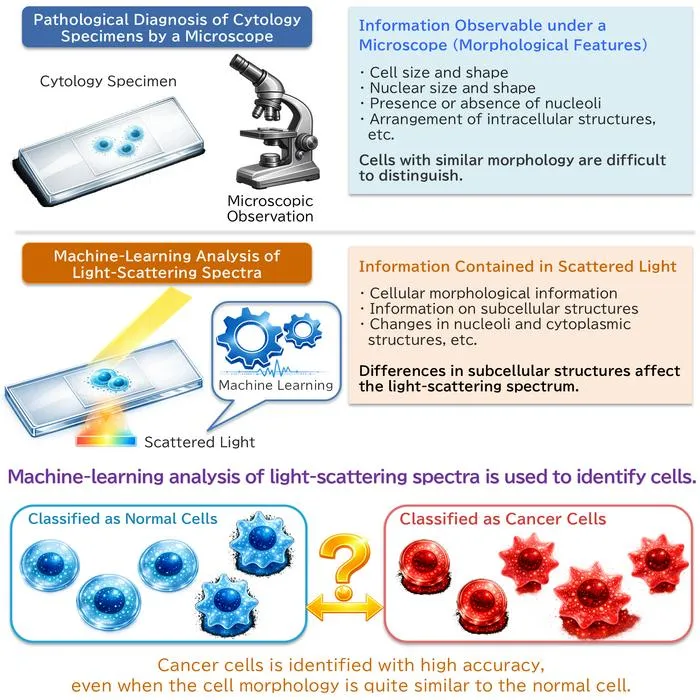
AI System Enhances Cancer Cell Detection via Light Scattering Spectra
Japanese researchers developed an AI system using light scattering spectra to improve cancer cell identification in cytology.

•EurekAlert
AI and X-ray Imaging Reveal Lost Texts in Ancient Roman Scrolls
AI and x-ray technology enable scientists to virtually read previously unreadable, carbonized Roman scrolls from Herculaneum.

•EurekAlert
AI’s Potential to Expand, Not Shrink, the Clinical Workforce
AI advancements may lead to more, not fewer, healthcare jobs, challenging common fears about workforce reductions in specialties like radiology.