
A Stanford-led study shows AI can accurately predict which preterm infants will suffer complications based on metabolite patterns in newborn blood samples.
Key Details
- 1AI model used dried blood spot samples from 13,536 premature infants in California, born more than 10 weeks early.
- 2Validated the algorithm on 3,299 preterm infants from Ontario, Canada.
- 3AI identified six key blood measurements, forming a metabolic health index.
- 4Combined with clinical data (gestational age, birth weight, sex, Apgar scores), the index predicted four major complications (intestinal, eye, lung, brain) with over 85% accuracy.
- 5Research published in Science Translational Medicine (DOI: 10.1126/scitranslmed.adv4942).
Why It Matters
This approach enables much more precise risk stratification for preemies, paving the way for personalized neonatal care, early intervention, and potentially reduced morbidity through targeted resource use. It represents a significant advance in applying AI to high-impact clinical prediction using routine biomedical data.

Source
EurekAlert
Related News
•EurekAlert
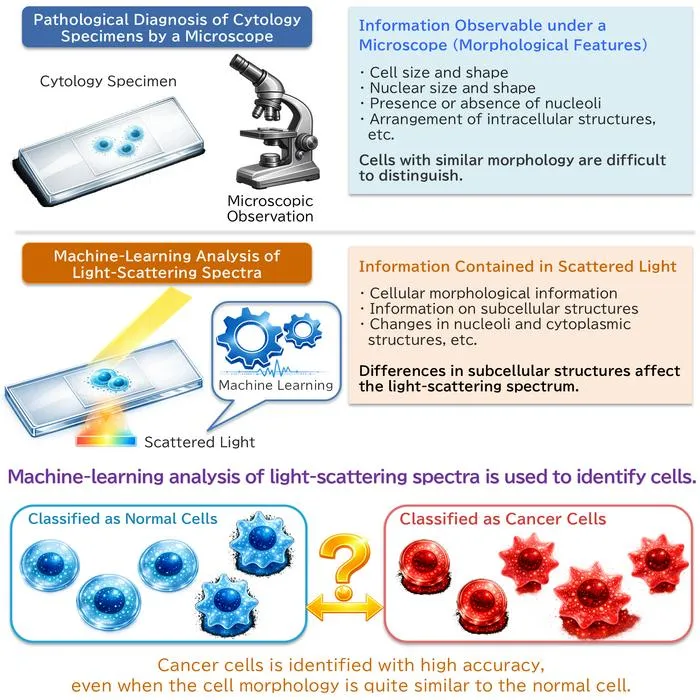
AI System Enhances Cancer Cell Detection via Light Scattering Spectra
Japanese researchers developed an AI system using light scattering spectra to improve cancer cell identification in cytology.
•EurekAlert
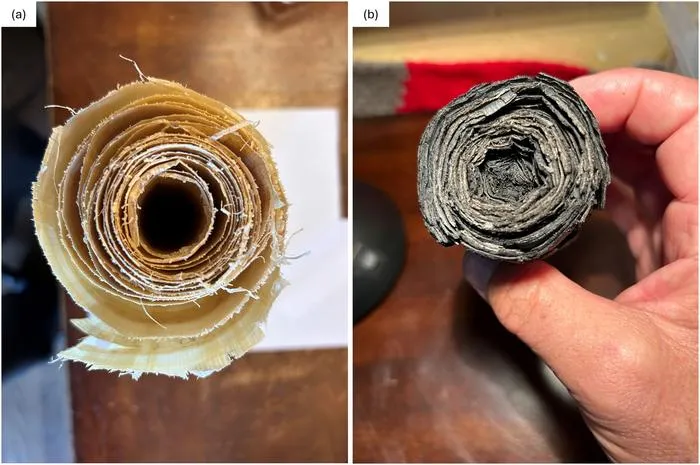
AI and X-ray Imaging Reveal Lost Texts in Ancient Roman Scrolls
AI and x-ray technology enable scientists to virtually read previously unreadable, carbonized Roman scrolls from Herculaneum.

•EurekAlert
AI’s Potential to Expand, Not Shrink, the Clinical Workforce
AI advancements may lead to more, not fewer, healthcare jobs, challenging common fears about workforce reductions in specialties like radiology.