
Researchers developed an explainable AI model to predict recovery after hip replacement by analyzing patients' gait biomechanics.
Key Details
- 1Researchers at KIT and Universitätsmedizin Frankfurt analyzed movement data from 109 hip osteoarthritis patients before and after total hip replacement; 56 healthy individuals were controls.
- 2AI model categorized patients into three groups with different biomechanical recovery patterns based on 3D joint angles and loads.
- 3Some patients regained almost normal gait after surgery, while others showed persistent deviations.
- 4AI predictions could identify which patients would benefit most from surgery and who may require intensive rehabilitation.
- 5Study published in Arthritis Research & Therapy (DOI: 10.1186/s13075-025-03709-2).
Why It Matters
Applying AI to biomechanical data offers a precision-medicine approach for orthopedic decision-making—potentially optimizing patient selection, surgical expectations, and tailoring rehabilitation, informed by explainable algorithms that aid clinical acceptance.

Source
EurekAlert
Related News

•EurekAlert
AI System Enhances Cancer Cell Detection via Light Scattering Spectra
Japanese researchers developed an AI system using light scattering spectra to improve cancer cell identification in cytology.
•EurekAlert
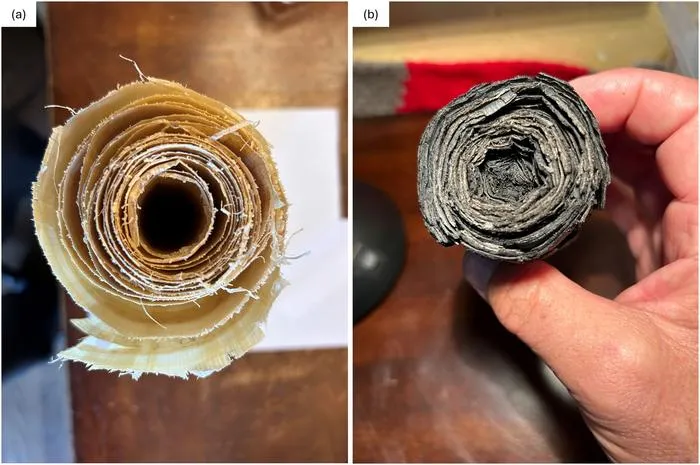
AI and X-ray Imaging Reveal Lost Texts in Ancient Roman Scrolls
AI and x-ray technology enable scientists to virtually read previously unreadable, carbonized Roman scrolls from Herculaneum.

•EurekAlert
AI’s Potential to Expand, Not Shrink, the Clinical Workforce
AI advancements may lead to more, not fewer, healthcare jobs, challenging common fears about workforce reductions in specialties like radiology.