
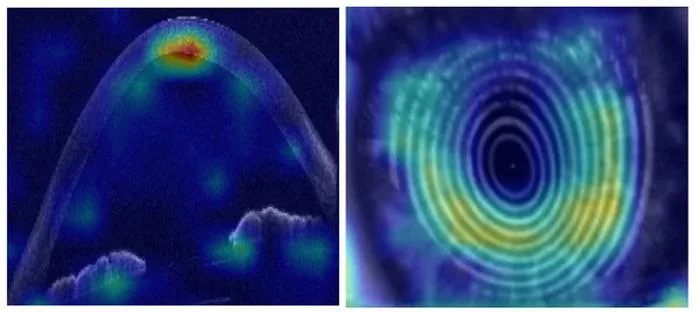
Researchers have developed an AI model that accurately predicts which keratoconus patients require treatment by analyzing OCT eye scans and clinical data.
Key Details
- 1Study presented at the 43rd Congress of the European Society of Cataract and Refractive Surgeons (ESCRS).
- 2AI analyzed 36,673 OCT images from 6,684 patients with keratoconus.
- 3Algorithm could stratify two-thirds of patients as low-risk and one-third as high-risk for disease progression using data from a single visit.
- 4Including data from a second visit increased prediction accuracy to up to 90% of patients correctly categorized.
- 5Cross-linking treatment prevents vision loss and corneal transplantation in most cases if given early.
- 6Algorithm will undergo further safety testing before clinical deployment; researchers plan to expand to other eye conditions.
Why It Matters
Accurate early prediction of keratoconus progression through AI-augmented imaging could enable timely intervention, reduce unnecessary monitoring, and optimize healthcare resources, potentially preventing vision loss in young patients. This approach showcases the growing clinical impact of AI in ophthalmic imaging and patient stratification.

Source
EurekAlert
Related News
•EurekAlert
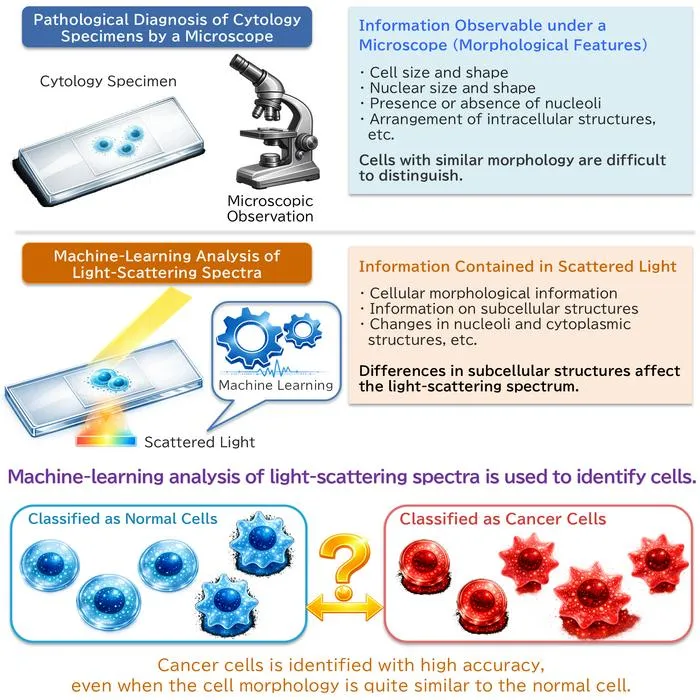
AI System Enhances Cancer Cell Detection via Light Scattering Spectra
Japanese researchers developed an AI system using light scattering spectra to improve cancer cell identification in cytology.
•EurekAlert
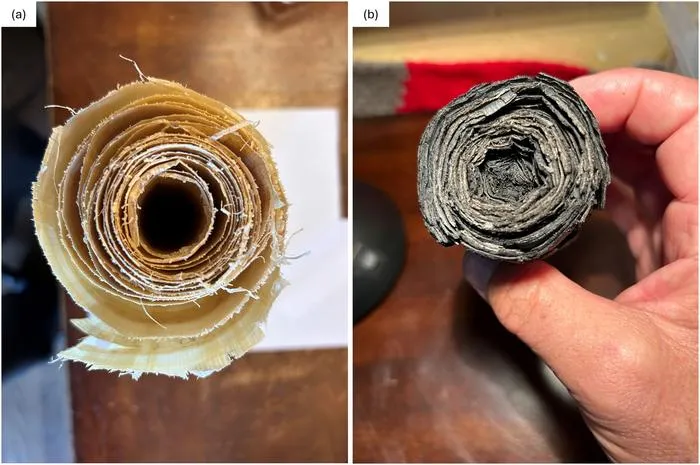
AI and X-ray Imaging Reveal Lost Texts in Ancient Roman Scrolls
AI and x-ray technology enable scientists to virtually read previously unreadable, carbonized Roman scrolls from Herculaneum.

•EurekAlert
AI’s Potential to Expand, Not Shrink, the Clinical Workforce
AI advancements may lead to more, not fewer, healthcare jobs, challenging common fears about workforce reductions in specialties like radiology.