

Researchers developed AI models using EHR and patient-reported outcomes to identify cancer survivors at high risk for emergency visits and worsening symptoms.
Key Details
- 1Study by Sylvester Comprehensive Cancer Center (University of Miami) published in JCO Clinical Cancer Informatics (May 2026).
- 2AI models analyzed data from over 25,000 cancer survivors followed for three years.
- 3Combined EHR and PRO data to predict unplanned healthcare use (ED visits, hospitalizations) and elevated symptom burden.
- 4Recent clinical activity helped predict acute events, while long-term PRO trends improved symptom prediction.
- 5Adding PROs nearly doubled symptom forecasting accuracy compared to using clinical data alone.
- 6Top 10% of risk-flagged patients accounted for half of downstream healthcare events and symptom episodes.
Why It Matters
Integrating AI-based risk stratification into survivorship care could enable earlier, more targeted interventions for cancer survivors. This demonstrates the evolving potential of medical AI to support proactive patient management across radiology-adjacent fields.

Source
EurekAlert
Related News
•EurekAlert
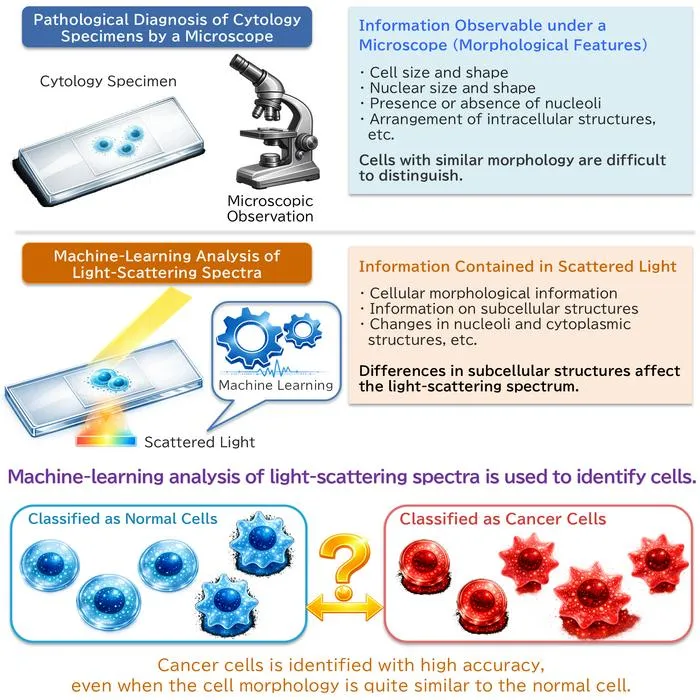
AI System Enhances Cancer Cell Detection via Light Scattering Spectra
Japanese researchers developed an AI system using light scattering spectra to improve cancer cell identification in cytology.
•EurekAlert
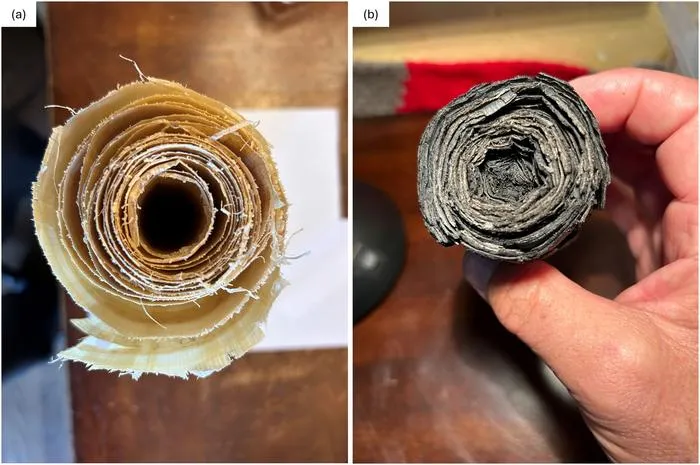
AI and X-ray Imaging Reveal Lost Texts in Ancient Roman Scrolls
AI and x-ray technology enable scientists to virtually read previously unreadable, carbonized Roman scrolls from Herculaneum.

•EurekAlert
AI’s Potential to Expand, Not Shrink, the Clinical Workforce
AI advancements may lead to more, not fewer, healthcare jobs, challenging common fears about workforce reductions in specialties like radiology.