
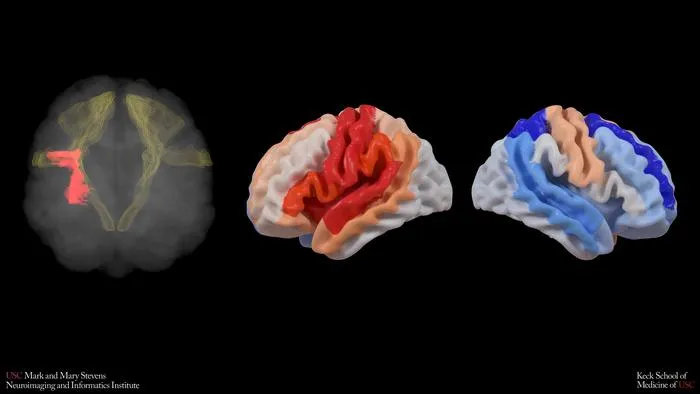
A global team used deep learning and MRI scans to identify patterns of neuroplasticity in the brains of stroke survivors, which may guide future personalized rehabilitation.
Key Details
- 1Study analyzed MRI scans from over 500 stroke survivors across 34 sites in 8 countries.
- 2Deep learning (graph convolutional networks) estimated brain region biological age from imaging data.
- 3Larger strokes accelerated aging in the damaged hemisphere but paradoxically made the opposite hemisphere appear younger in key motor networks.
- 4AI-detected patterns of regional brain age were linked to the severity of chronic motor impairment.
- 5The ENIGMA Stroke Recovery Working Group harmonized global datasets for the largest neuroimaging analysis of its type.
- 6Findings could help customize patient-specific rehabilitation interventions in the future.
Why It Matters
This research demonstrates the potential of AI-enabled neuroimaging to detect subtle compensatory brain changes post-stroke, offering a pathway to more tailored, effective rehabilitation strategies for stroke recovery. It also highlights the growing role of AI in advancing clinical neuroimaging research.

Source
EurekAlert
Related News
•EurekAlert
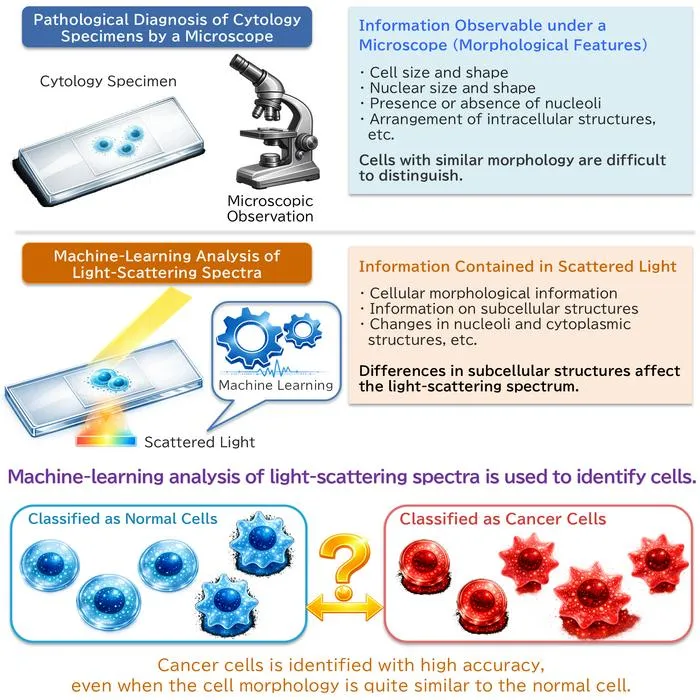
AI System Enhances Cancer Cell Detection via Light Scattering Spectra
Japanese researchers developed an AI system using light scattering spectra to improve cancer cell identification in cytology.
•EurekAlert
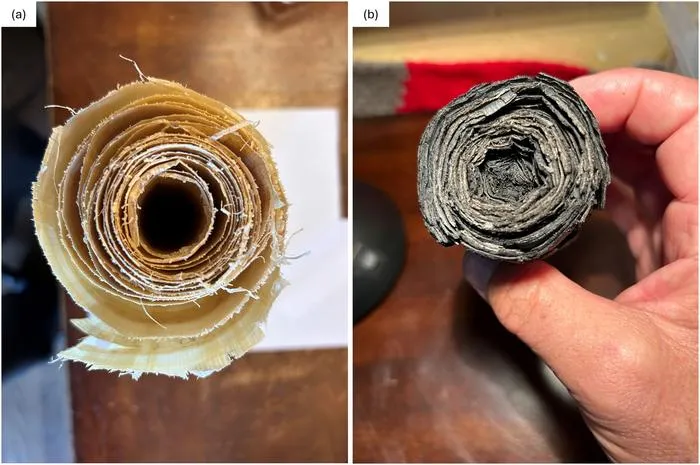
AI and X-ray Imaging Reveal Lost Texts in Ancient Roman Scrolls
AI and x-ray technology enable scientists to virtually read previously unreadable, carbonized Roman scrolls from Herculaneum.
•EurekAlert
AI’s Potential to Expand, Not Shrink, the Clinical Workforce
AI advancements may lead to more, not fewer, healthcare jobs, challenging common fears about workforce reductions in specialties like radiology.