

AI-based cfDNA fragmentome liquid biopsy can detect early liver fibrosis, cirrhosis, and indicate broader chronic disease signals.
Key Details
- 1Johns Hopkins team applied AI and genome-wide cfDNA fragmentation analysis to diagnose early liver fibrosis and cirrhosis.
- 2Study analyzed samples from 1,576 people with liver disease and comorbidities using whole-genome sequencing.
- 3AI algorithms identified disease-specific fragmentation patterns, enabling high sensitivity detection of early liver disease.
- 4Current clinical tests often miss early fibrosis and only detect cirrhosis around 50% of the time.
- 5Prototype assay also signaled risk for other chronic diseases, such as cardiovascular and inflammatory conditions.
- 6Technology builds upon earlier cancer fragmentome studies, focusing now on non-cancer chronic conditions.
Why It Matters
Early detection of liver fibrosis is critical because it is reversible at early stages, potentially preventing progression to cirrhosis and cancer. This AI-enabled cfDNA approach could expand the role of noninvasive liquid biopsy in radiological diagnostics and broader chronic disease management.

Source
EurekAlert
Related News
•EurekAlert
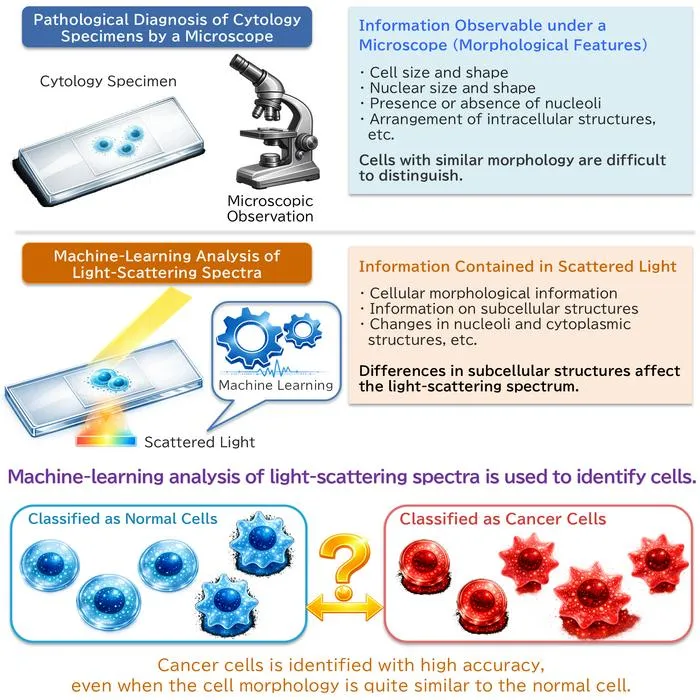
AI System Enhances Cancer Cell Detection via Light Scattering Spectra
Japanese researchers developed an AI system using light scattering spectra to improve cancer cell identification in cytology.
•EurekAlert
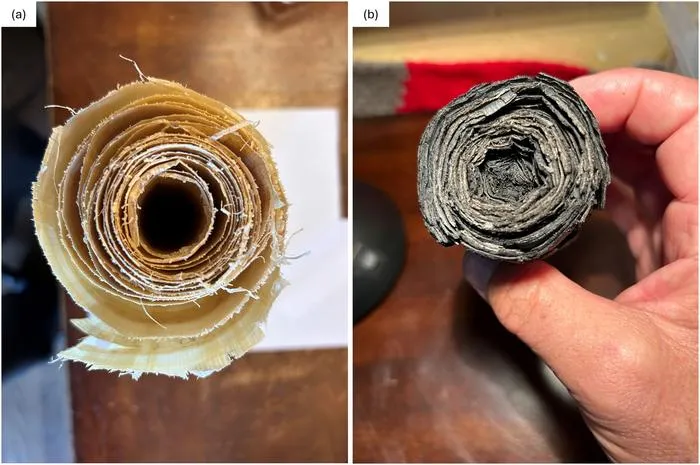
AI and X-ray Imaging Reveal Lost Texts in Ancient Roman Scrolls
AI and x-ray technology enable scientists to virtually read previously unreadable, carbonized Roman scrolls from Herculaneum.

•EurekAlert
AI’s Potential to Expand, Not Shrink, the Clinical Workforce
AI advancements may lead to more, not fewer, healthcare jobs, challenging common fears about workforce reductions in specialties like radiology.