
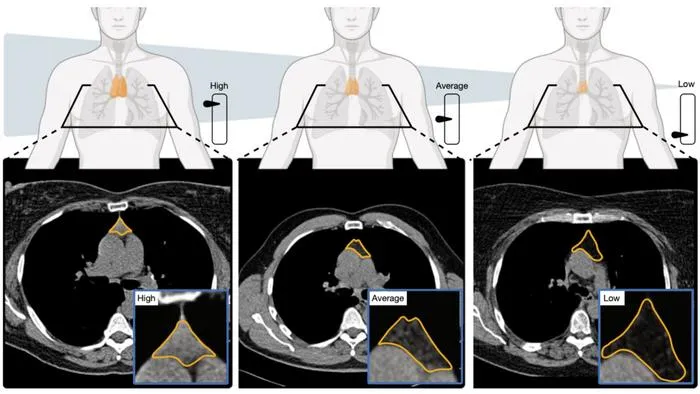
Mass General Brigham researchers used AI to assess thymic health on CT scans, revealing strong links to longevity, disease risk, and cancer treatment outcomes.
Key Details
- 1AI deep learning model analyzed routine CT scans of over 25,000 adults to score thymic health.
- 2High thymic health scores associated with ~50% lower all-cause mortality, 63% lower cardiovascular mortality, 36% lower lung cancer risk.
- 3Second study of 1,200+ cancer patients: healthier thymus linked to 37% lower risk of cancer progression and 44% lower risk of death after immunotherapy.
- 4Chronic inflammation, smoking, and high BMI correlated with poorer thymic health.
- 5Findings published in Nature; imaging method not yet ready for clinical use.
- 6Research funded by multiple major agencies (NIH, ERC, DFG, and others).
Why It Matters
These studies highlight how advanced imaging analysis with AI can uncover novel prognostic biomarkers from routine scans, supporting the role of radiology in personalized medicine and expanding screening or treatment stratification possibilities.

Source
EurekAlert
Related News
•EurekAlert
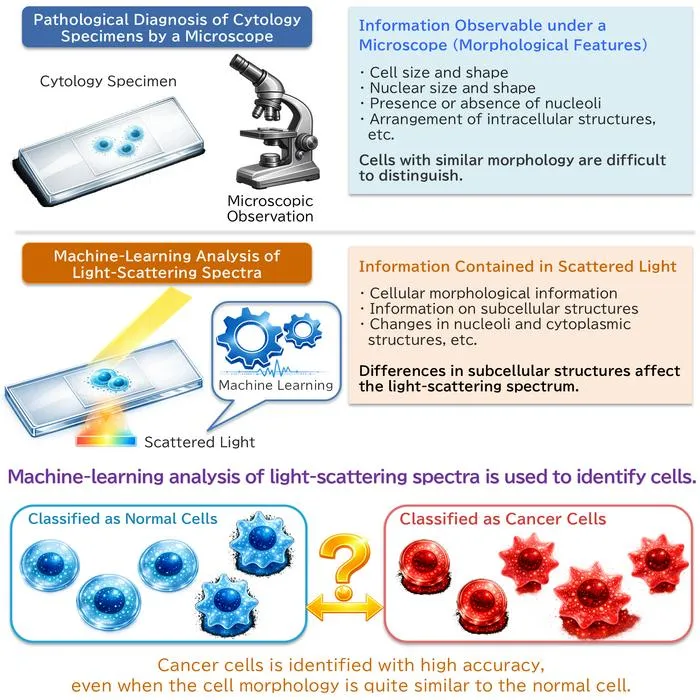
AI System Enhances Cancer Cell Detection via Light Scattering Spectra
Japanese researchers developed an AI system using light scattering spectra to improve cancer cell identification in cytology.
•EurekAlert
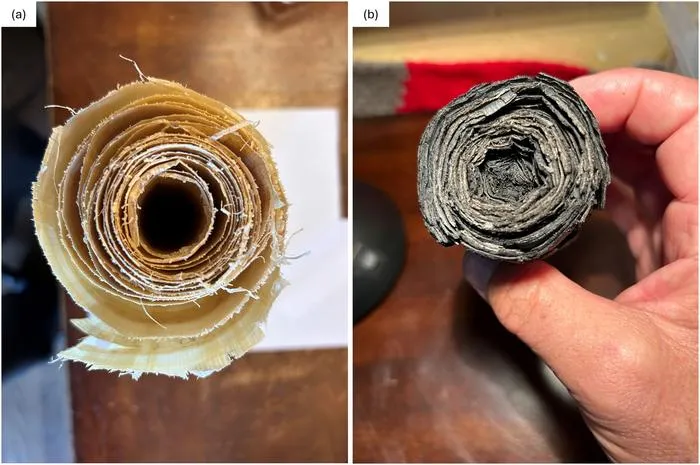
AI and X-ray Imaging Reveal Lost Texts in Ancient Roman Scrolls
AI and x-ray technology enable scientists to virtually read previously unreadable, carbonized Roman scrolls from Herculaneum.

•EurekAlert
AI’s Potential to Expand, Not Shrink, the Clinical Workforce
AI advancements may lead to more, not fewer, healthcare jobs, challenging common fears about workforce reductions in specialties like radiology.