
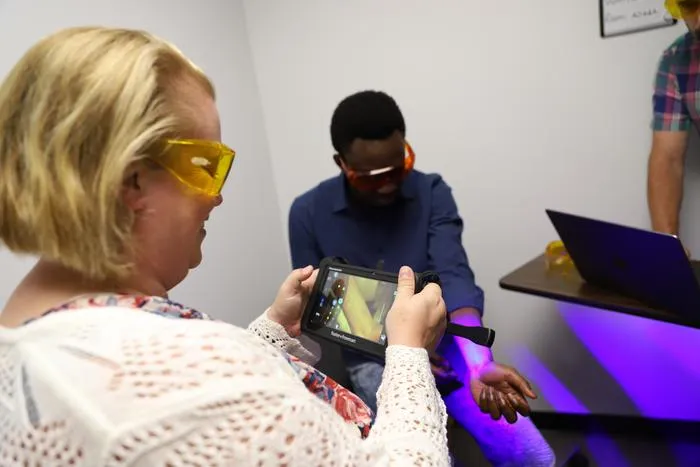
George Mason University has developed an AI-driven mobile app prototype for clinical documentation of bruises, aiming to aid survivors of violence.
Key Details
- 1George Mason University team created the Evidence-based AI Software for Injury Detection (EAS-ID) app, successfully completing Phase 1 prototype development.
- 2The app uses AI to capture and document bruises, guiding clinicians to produce images and records that meet clinical and legal standards.
- 3Initial funding of $4.85 million was received from an anonymous donor in March 2024.
- 4The app supports real-time guidance, image quality control, and standardized documentation, targeting frontline and forensic nursing professionals.
- 5AI training involves a large, diverse dataset, with a target of one million images collected; partnerships include Inova Health System and Adventist Healthcare.
- 6A crowdsourcing initiative will expand data beyond controlled clinical environments to improve real-world applicability.
Why It Matters
Standardized, AI-guided imaging for bruise documentation could enhance clinical and legal reliability for forensic nursing and clinicians, especially in sensitive cases like interpersonal violence. The project's scale and real-world data efforts signal potential for broader adoption of imaging AI in frontline care settings.

Source
EurekAlert
Related News
•EurekAlert
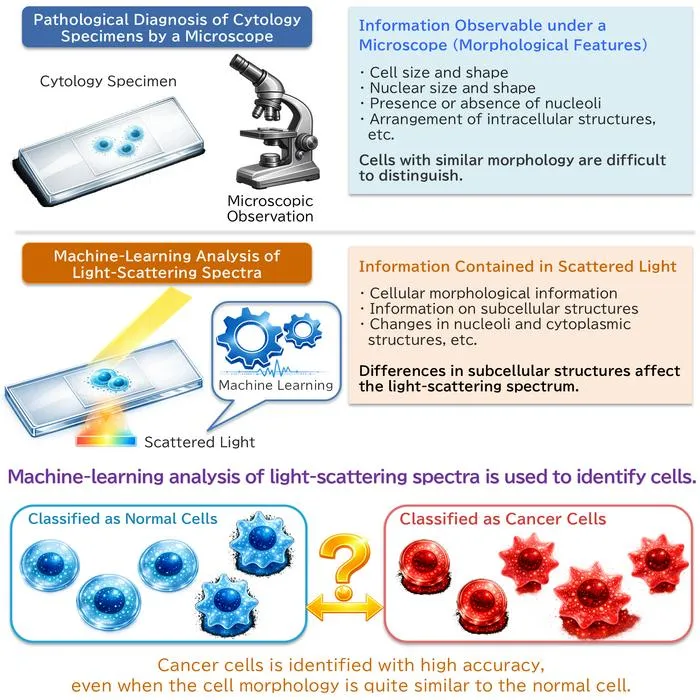
AI System Enhances Cancer Cell Detection via Light Scattering Spectra
Japanese researchers developed an AI system using light scattering spectra to improve cancer cell identification in cytology.
•EurekAlert
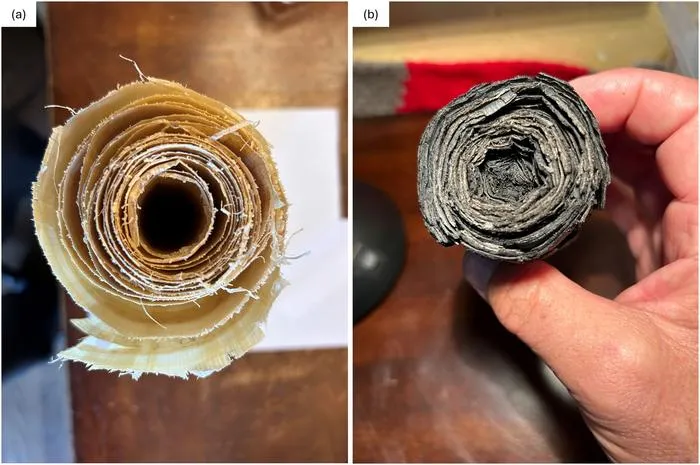
AI and X-ray Imaging Reveal Lost Texts in Ancient Roman Scrolls
AI and x-ray technology enable scientists to virtually read previously unreadable, carbonized Roman scrolls from Herculaneum.

•EurekAlert
AI’s Potential to Expand, Not Shrink, the Clinical Workforce
AI advancements may lead to more, not fewer, healthcare jobs, challenging common fears about workforce reductions in specialties like radiology.