
A La Trobe University-developed AI tool accurately predicts relapse risk in stage II bowel cancer using digital pathology images and descriptions.
Key Details
- 1AI tool SÉMIL uses pathology slide images and written descriptions to stratify relapse risk for stage II bowel cancer patients.
- 2Validated on over 1220 patients across three independent cohorts and multiple Australian institutions.
- 3Greatest predictive accuracy when AI assessments align with pathologist evaluations.
- 4Can be integrated into existing clinical digital pathology workflows, supporting but not replacing human clinicians.
- 5Findings published in Gastroenterology (July 2026) with no conflicts of interest reported.
- 6Research involved collaboration among several top Australian institutions and cancer centers.
Why It Matters
Accurate risk stratification can ensure high-risk stage II bowel cancer patients receive timely, potentially life-saving therapy, while sparing low-risk patients from unnecessary treatment. The study demonstrates how AI can augment pathology workflows for more consistent, data-driven clinical decisions in oncology.

Source
EurekAlert
Related News
•EurekAlert
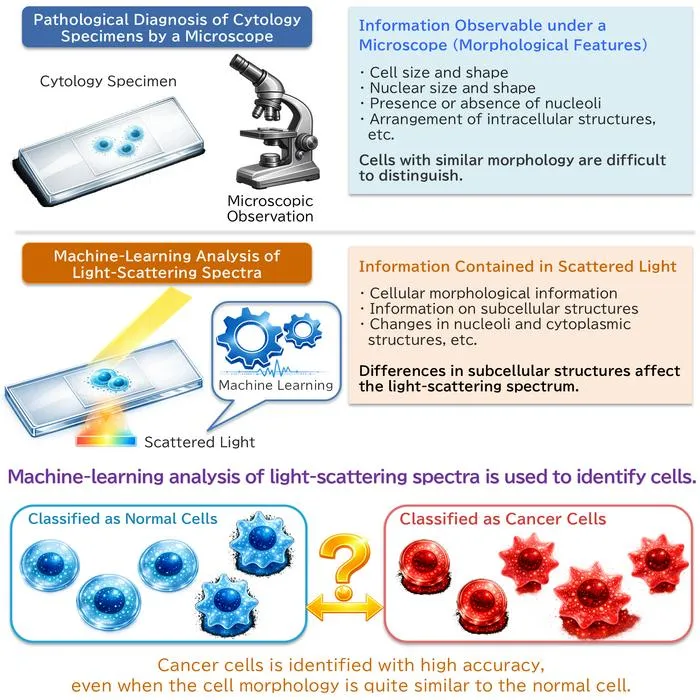
AI System Enhances Cancer Cell Detection via Light Scattering Spectra
Japanese researchers developed an AI system using light scattering spectra to improve cancer cell identification in cytology.
•EurekAlert
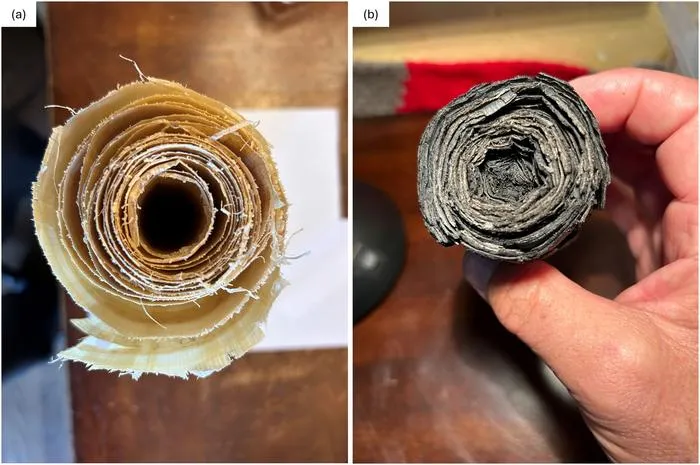
AI and X-ray Imaging Reveal Lost Texts in Ancient Roman Scrolls
AI and x-ray technology enable scientists to virtually read previously unreadable, carbonized Roman scrolls from Herculaneum.

•EurekAlert
AI’s Potential to Expand, Not Shrink, the Clinical Workforce
AI advancements may lead to more, not fewer, healthcare jobs, challenging common fears about workforce reductions in specialties like radiology.